
If you have ever wondered what is red light therapy (RLT) and whether it actually lives up to the hype, you are not alone. Red light therapy has quickly become one of my favorite wellness tools, but I also know that choosing a device can feel overwhelming. There are countless red light therapy devices available today, and the quality, wavelengths, power, and design can vary significantly. First, let’s drive into the basics and discuss why red light therapy might be the right choice for you.
* This post may include affiliate links. This means that products purchased from certain links will generate a small commission (At no extra cost to you). As always, I will only recommend brands that have passed my seal of approval and that I truly love. Thank you for supporting this little holistic space on the internet. *
* Information in this post is not professional medical advice and should not be relied on or used in place of consultation with healthcare professionals. Should you have any medical questions, please consult your primary healthcare provider. **
Red light therapy, also called photobiomodulation, uses specific wavelengths of red and near-infrared light to interact with cells in the body. Research continues to explore its potential applications for skin health, recovery, inflammation, pain, and other areas of wellness. If you are new to this type of light therapy, my guide to the 16 health benefits of red light therapy is a great place to explore the potential benefits in more detail.
What RLT device do I use?
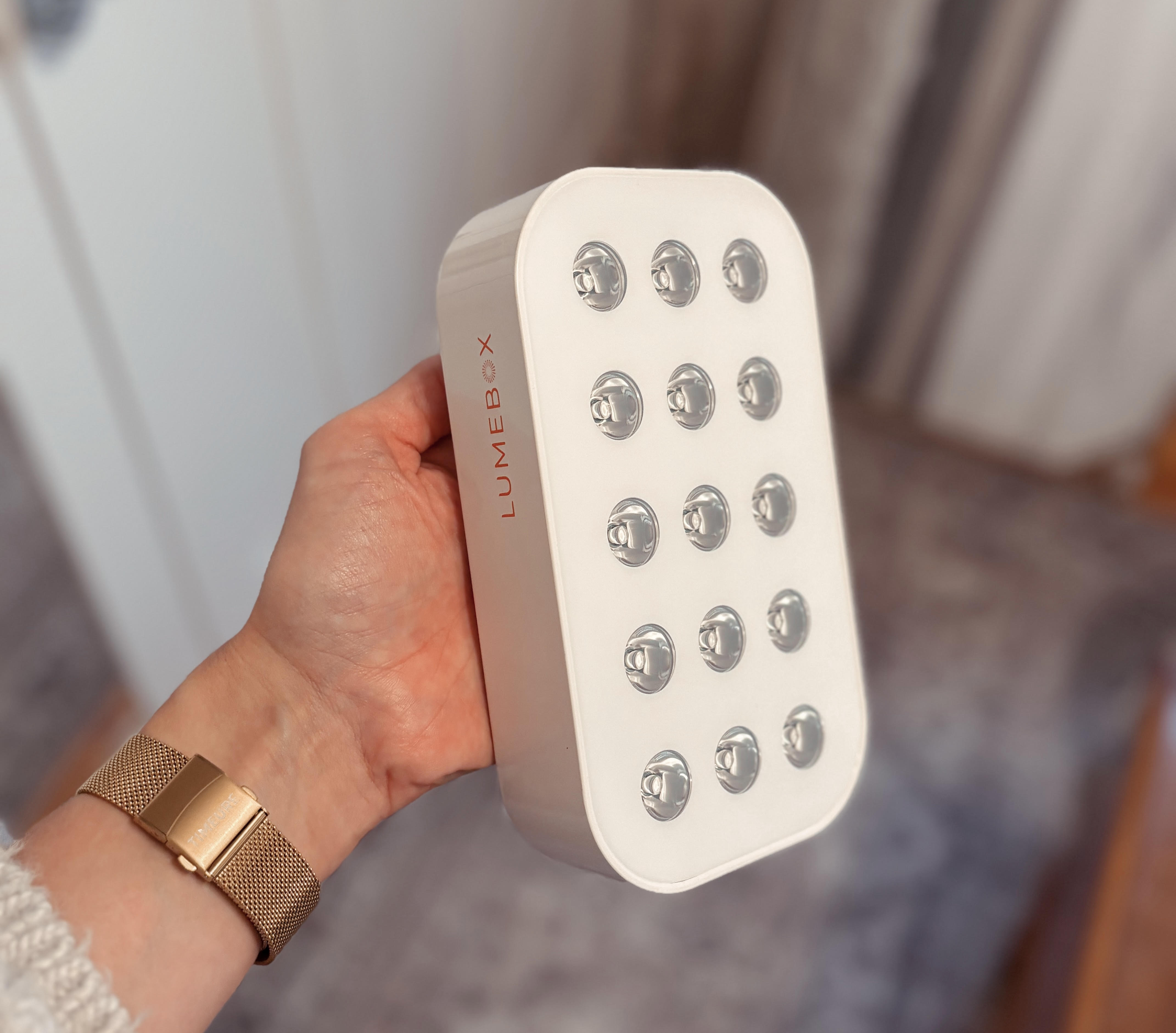
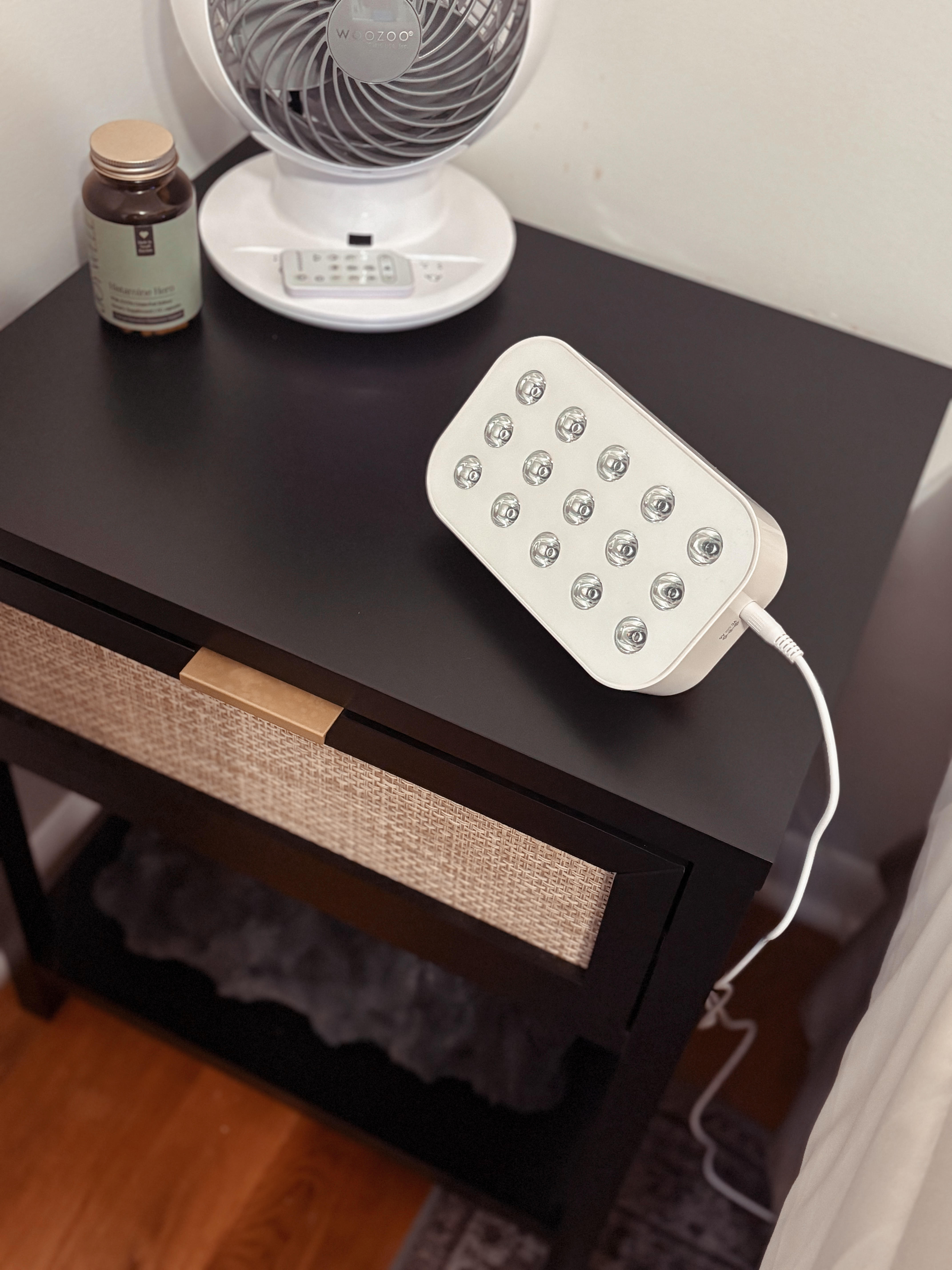
I have personally used red light therapy consistently and have tested several devices over the years. Lumebox has become my favorite RLT device, largely because it combines powerful red and near-infrared light with a portable design. I use it for targeted areas rather than relying on a large panel, which makes it much easier to fit red light therapy into my everyday routine. You can read my full Lumebox 2.0 review to see why I continue to use it.
But before investing in a red light therapy device, it helps to understand what you are actually buying. In this guide, I explain what red light therapy is and steer you towards information on benefits, how to use it, how to choose a device and what the science says.
If you are already considering Lumebox, I also recommend reading my step-by-step guide to using Lumebox before getting started. And if you are comparing devices, my Lumebox vs. Bon Charge comparison breaks down some of the important differences to consider.
What is Red Light Therapy?
So, what is RLT exactly? Red light therapy is a form of photobiomodulation that uses specific wavelengths of light to interact with the body’s cells. Unlike ultraviolet (UV) light, red light does not cause the same type of cellular damage associated with UV exposure. Instead, specific wavelengths of red and near-infrared light are being studied for their effects on cellular function and tissue health.
Red light therapy is sometimes called low-level light therapy (LLLT), red light therapy (RLT), or photobiomodulation (PBM). While these terms can describe similar approaches, the basic idea is the same. The body is exposed to specific wavelengths of light for a controlled amount of time.
What makes red light therapy particularly interesting is that it goes beyond simply warming the skin. Red and near-infrared wavelengths can penetrate the body to different depths. This allows researchers to study their potential effects on everything from the skin to muscles and other tissues.
Red Light vs. Near-Infrared Light
When researching red light therapy, you will often see both red light and near-infrared light mentioned together. They are not exactly the same. Red light is visible to the human eye, while near-infrared light is invisible.
The wavelength also matters. Different wavelengths interact with the body differently because they penetrate tissues to different depths. This is one reason I pay close attention to the wavelengths and specifications when comparing red light therapy devices.
For example, Lumebox combines red and near-infrared wavelengths in one portable device. This is one of the features that initially caught my attention when I began comparing devices. After using it regularly, I also appreciate being able to target specific areas rather than needing to position myself in front of a large panel.
If you are interested in the specific wavelengths and technology behind Lumebox, I break down the device in much more detail in my Lumebox 2.0 review.
What Is Photobiomodulation?
Photobiomodulation is the scientific term commonly used to describe the therapeutic use of light to influence biological processes. It is a non-invasive approach that uses specific wavelengths rather than UV light.
One of the main areas of interest is the relationship between light and mitochondria. Mitochondria are often described as the powerhouses of our cells because they help produce cellular energy. Researchers are studying how specific wavelengths of light may interact with cellular components and influence processes involved in energy production and tissue function.
This is also why I think it is important to look beyond the phrase “red light therapy” when shopping for a device. Not every red light therapy device is necessarily the same. Wavelength, irradiance, treatment distance, coverage area, and overall device design can all affect how a device is used.
For me, understanding these details makes choosing a red light therapy device much easier. I want more than a device that simply shines red light. I want to know what wavelengths it uses, how powerful it is, and whether the design makes it practical enough to use consistently.
Why Has Red Light Therapy Become So Popular?
Interest in red light therapy at home continues to grow because it offers a convenient way to incorporate light therapy into an everyday wellness routine. Instead of scheduling appointments or visiting a clinic, people can use certain devices from the comfort of their own homes.
I personally love this convenience. As a busy mom, a wellness routine needs to be realistic. A device that takes up a lot of space or requires a complicated setup is much less likely to become something I use consistently.
This is one reason I gravitate toward portable devices like Lumebox. I can use it on specific areas of my body while I am at home, without committing to a lengthy setup. If you are new to using one, my guide to how to use Lumebox walks through my routine and answers some of the most common questions.
Of course, convenience is only one piece of the puzzle. The quality and specifications of a red light therapy device matter too. In the sections below, we will look at how red light therapy works, the potential benefits, the science behind photobiomodulation, and what I look for when choosing a device for home use.
Red Light Therapy: What You Need to Know
At its simplest, red light therapy is a non-invasive wellness technology that uses specific wavelengths of red and near-infrared light. But there is much more to it than the red glow you see from the LEDs.
The wavelength, intensity, treatment distance, and amount of time you use a device all contribute to the overall treatment. This is why I recommend looking beyond the appearance or price of a red light therapy device when deciding which one to purchase.
If you want to dive deeper into the science behind how red light therapy works, I have a separate guide that explains photobiomodulation, mitochondria, ATP, wavelengths, and irradiance in more detail. You can read my complete guide to how red light therapy works.
For me, learning about these details has completely changed the way I look at red light therapy. I no longer see it as simply another wellness trend. I look at the technology behind the device and consider how practical it is for everyday use.
That is also why I spent so much time researching and testing different red light therapy devices before settling on Lumebox as my personal favorite. I look at factors such as wavelength, irradiance, portability, EMF levels, testing, and how easy a device is to use consistently.
If you are considering using red light therapy at home, my Lumebox 2.0 review shares more about the specific device I use and why it stands out to me.
➡️ Next, let’s look at how red light therapy works, to better understand the science behind the healing rays. Click HERE to head to the next article that will walk you through the logistics of red light and it’s ability to heal.
** PIN the image below to save this post for later **





No Comments