
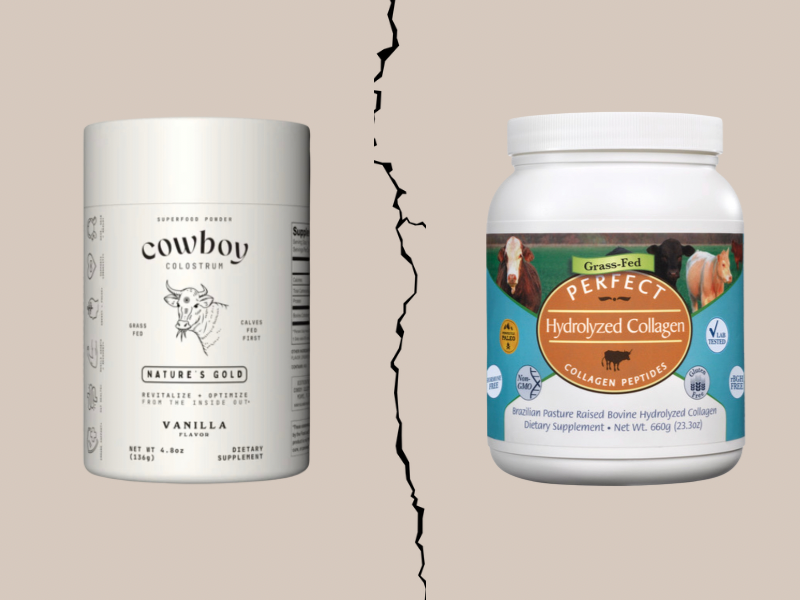
If you’ve ever wondered about colostrum vs collagen, you’re not alone. These two popular nutrients are often confused, but they are actually quite different and offer unique benefits for overall health and wellness. While both can be valuable additions to a wellness routine, they work in very different ways within the body. In this guide, I’ll break down the key differences between colostrum and collagen, explore the potential benefits of each, and explain what makes them unique so you can better understand which one may be right for you—and whether there’s a reason to include both in your routine.
* This post may include affiliate links. This means that products purchased from certain links will generate a small commission (At no extra cost to you). As always, I will only recommend brands that have passed my seal of approval and that I truly love. Thank you for supporting this little holistic space on the internet. *
* Information in this post is not professional medical advice and should not be relied on or used in place of consultation with healthcare professionals. Should you have any medical questions, please consult your primary healthcare provider. **
Colostrum vs Collagen: What’s the Difference?
When comparing colostrum vs collagen, it is easy to see why people sometimes confuse the two. Both are popular supplements that support different aspects of health and wellness. However, colostrum and collagen are not the same nutrient, and they serve very different purposes in the body.
Collagen is a structural protein. It provides amino acids that help support the body’s connective tissues, including the skin, joints, bones, tendons, and ligaments. Colostrum has a much broader nutritional profile. It naturally contains proteins, immune-supporting compounds, growth factors, and other bioactive components.
I think this is one of the most important differences to understand when choosing between colostrum and collagen. Collagen is often chosen for specific goals, such as supporting healthy skin or joints. Colostrum is more commonly used as part of a broader wellness routine, especially by people interested in digestive health, immune support, recovery, and overall well-being.
Neither supplement is necessarily better for everyone. The right choice often depends on your personal health goals. Once I understood the key differences between colostrum and collagen, I also began to see why colostrum has become such an interesting addition to my own wellness routine.
What Is Colostrum?
Colostrum is the first form of milk produced by mammals shortly after giving birth. It is naturally rich in nutrients and bioactive compounds that help support a newborn during its earliest stages of life. Bovine colostrum, which comes from cows, is the type most commonly used in colostrum supplements.
What makes bovine colostrum unique is that it offers much more than a simple source of protein. It naturally contains proteins, immunoglobulins, lactoferrin, growth factors, and other bioactive compounds. These components are one reason colostrum has gained attention as a supplement for people interested in supporting gut health, immune function, recovery, and overall wellness.
When looking at colostrum vs collagen, this is where one of the biggest differences becomes clear. Collagen primarily provides specific amino acids that support the body’s structural tissues. Colostrum contains a wider range of naturally occurring compounds and has a different role in a wellness routine.
Personally, I find this broader nutritional profile especially appealing. I take a holistic approach to wellness, so I am often more interested in products that can support several areas of health rather than focusing on only one goal. That is one of the reasons I became interested in adding bovine colostrum to my routine.
Of course, the quality of a colostrum supplement matters. I look for products from brands that are transparent about their sourcing and production standards. Later in this article, I share more about the colostrum supplement I personally use and why it has become my preferred choice.
If you want a deeper dive into colostrum and it’s health benefits, you can check that out HERE.

What Is Collagen?
Collagen is the most abundant protein in the human body. It acts as an important building block for many structural tissues, including the skin, bones, joints, tendons, ligaments, and other connective tissues. Your body naturally produces collagen, although production can change as you get older.
Collagen supplements typically provide collagen peptides, which are broken down into smaller pieces for easier digestion and absorption. They are commonly sourced from bovine, marine, chicken, or other animal-based sources. Many people add collagen to their daily routine because of its potential role in supporting healthy skin and connective tissues.
There are also different types of collagen. For example, certain types are found more abundantly in the skin, bones, cartilage, and other tissues. This is one reason collagen is often associated with specific beauty, joint, and structural wellness goals.
However, collagen vs colostrum is not necessarily a competition. While collagen is primarily valued for its amino acid profile and structural role, colostrum provides a very different combination of naturally occurring nutrients and bioactive compounds. Understanding this distinction can make it easier to decide which supplement best fits your individual goals.
If your primary focus is healthy skin, joints, or connective tissue, collagen may be a natural fit for your routine. If you are looking for broader support for areas such as digestive wellness, immune health, and overall well-being, bovine colostrum may be worth considering.
Colostrum vs Collagen at a Glance
The easiest way to understand colostrum vs collagen is to remember that they offer two very different nutritional profiles. Collagen is primarily a structural protein that provides amino acids used throughout the body’s connective tissues. Colostrum is a nutrient-rich substance that naturally contains proteins, immunoglobulins, lactoferrin, growth factors, and other bioactive compounds.
Because of these differences, people often choose collagen and colostrum for different wellness goals. Collagen is especially popular for supporting healthy skin, joints, and connective tissue. Colostrum is often chosen by people who want to support gut health, immune function, recovery, and overall wellness.
Here is a simple breakdown of the difference between colostrum and collagen:
| Colostrum | Collagen |
|---|---|
| Nutrient-rich first milk produced by mammals | Structural protein found throughout the body |
| Contains proteins and a variety of naturally occurring bioactive compounds | Primarily provides collagen peptides and amino acids |
| Often used to support gut health, immune function, recovery, and overall wellness | Often used to support skin, joints, bones, and connective tissue |
| Common supplements typically use bovine colostrum | Common sources include bovine, marine, and other animal-based collagen |
| Offers a broader range of naturally occurring components | Focuses primarily on structural protein support |
For me, this comparison makes it clear that choosing between colostrum or collagen comes down to what you want from a supplement. I appreciate that collagen can support specific structural and beauty-focused goals. However, I am personally drawn to colostrum because of its unique and broader nutritional profile.
That does not mean you have to choose only one. In fact, depending on your individual goals, colostrum and collagen can complement each other. In the next sections, I take a closer look at the individual benefits of both so you can better understand which one may be right for you.
What Are the Benefits of Colostrum?
When I first started learning about colostrum benefits, what caught my attention was how different it is from many of the supplements I already knew. Colostrum is not simply another source of protein. It naturally contains immunoglobulins, lactoferrin, growth factors, proteins, and other bioactive compounds. Together, these components give bovine colostrum a unique nutritional profile.
Research continues to explore the potential benefits of bovine colostrum for areas such as immune function, gut health, exercise recovery, and overall wellness. While it is not a cure-all, I appreciate that colostrum supports several areas of health rather than being focused on just one goal.
For me, that versatility is one of the biggest reasons colostrum is worth considering. I am always drawn to wellness products that can complement a healthy lifestyle without requiring a complicated routine. A quality colostrum supplement is simple to add to my day, yet provides a range of naturally occurring nutrients that I do not get from many other supplements.
Colostrum and Immune System Support
One of the most well-known reasons people take bovine colostrum is for immune system support. Colostrum naturally contains immunoglobulins, which are antibodies involved in the body’s immune defenses. It also contains lactoferrin and other bioactive compounds that researchers continue to study for their role in immune health.
This is particularly interesting to me because supporting immune health is not something I want to think about only when I feel run down. I prefer a proactive approach that focuses on healthy habits and consistent wellness practices. Adding a nutrient-dense supplement like colostrum can be one part of that bigger picture.
It is important to remember that colostrum is a dietary supplement, not a treatment for illness. However, its naturally occurring immune-related components are one reason bovine colostrum benefits continue to attract attention.
When I choose a supplement for my family and myself, I also want to know that there is a nutritional reason behind taking it. Colostrum’s unique combination of immunoglobulins, lactoferrin, proteins, and other compounds makes it much more interesting to me than simply taking another isolated nutrient.
Colostrum for Gut and Digestive Health
Gut health is another major reason colostrum supplements have become so popular. The digestive tract plays an important role in overall health, and researchers are studying bovine colostrum for its potential effects on the intestinal barrier and gastrointestinal wellness.
What makes colostrum especially interesting is its combination of bioactive compounds. Lactoferrin, immunoglobulins, growth factors, and other components are being investigated for how they interact with the gastrointestinal system. Some research also explores colostrum’s potential to support intestinal barrier function, particularly in certain active or athletic populations.
Gut health is an area I pay close attention to because I believe wellness starts with the basics. What we eat, how we nourish our bodies, and how we support our digestive system all play a role in how we feel.
That is why I find colostrum for gut health so intriguing. It offers a broader nutritional profile than a typical protein powder. For anyone already focused on eating well and supporting digestive wellness, adding a quality bovine colostrum supplement may be a simple way to complement that routine.
Colostrum for Recovery and Overall Wellness
Colostrum is also gaining attention among active individuals who are interested in recovery and overall wellness. Its naturally occurring proteins, growth factors, immunoglobulins, and other bioactive compounds make it an interesting supplement to explore as part of a well-rounded lifestyle.
Research has examined bovine colostrum in relation to exercise, recovery, immune function, and gastrointestinal health. Results vary depending on the study, population, and product used, so I think it is important to keep expectations realistic. Colostrum is best viewed as a nutritional addition to an already healthy lifestyle rather than a quick fix.
Personally, I like supplements that fit easily into my everyday routine. I do not want a cabinet full of products that each have one very specific purpose. The broader nutritional profile of colostrum is one of the things that makes it stand out to me.
For someone interested in colostrum for overall health, this versatility can be appealing. You are not necessarily choosing it because you have one specific goal. You may simply want to add a nutrient-rich supplement to an already balanced approach to nutrition, movement, sleep, and wellness.
What Makes Colostrum Different From Other Supplements?
The biggest difference is what colostrum naturally contains. Many supplements are designed around one primary nutrient. Colostrum is more complex. It contains proteins, immunoglobulins, lactoferrin, growth factors, and other bioactive compounds that work together as part of its natural composition.
This is also why I do not think of colostrum vs collagen as a simple competition. Collagen is primarily a structural protein supplement. Colostrum offers a much broader combination of naturally occurring components. They can therefore have very different places in a wellness routine.
Another thing I consider is the source of a supplement. With bovine colostrum, I want to know how the cows are raised, when the colostrum is collected, and how the product is processed. Quality and sourcing matter because I want the products I use to align with my overall approach to clean and intentional wellness.
Ultimately, what makes colostrum stand out to me is its versatility. It provides more than protein alone, yet it can still be incredibly simple to incorporate into a daily routine. That combination is a big part of why I continue to be interested in bovine colostrum benefits and why I believe it is worth exploring if you are looking for a unique addition to your wellness routine.
What Are the Benefits of Collagen?
Collagen is one of the most popular supplements for people interested in healthy skin, joints, and connective tissue. It is a structural protein that naturally occurs throughout the body. It helps provide strength and structure to tissues such as skin, bones, tendons, ligaments, and cartilage.
As we get older, our body’s natural collagen production changes. This is one reason collagen supplements have become so popular, particularly among people looking to support healthy aging. Most supplements provide collagen peptides, which are broken-down forms of collagen that are easy to mix into drinks, smoothies, or other foods.
What I find important when comparing colostrum vs collagen is understanding that collagen has a fairly specific role. It provides amino acids that the body uses to support its own collagen and other proteins. Colostrum is different because it contains a wider variety of naturally occurring bioactive compounds.
That does not make collagen a less valuable supplement. In fact, collagen can be an excellent choice if your primary goals involve skin, joints, or connective tissue. The better question is not necessarily which supplement is better. It is which one fits your individual wellness goals.
Collagen for Skin Health
Collagen for skin health is one of the biggest reasons people add collagen peptides to their daily routine. Collagen is an important structural component of the skin and helps provide firmness, strength, and structure. As collagen production naturally changes with age, maintaining healthy skin becomes an increasingly common wellness goal.
Research on oral collagen peptides has found promising results for certain measures of skin health, including hydration and elasticity. Results can vary based on the type and amount of collagen used, so I think it is important to look at collagen as one piece of a larger skin-health routine.
For me, healthy skin is never about one supplement alone. Nutrition, hydration, sleep, sun protection, skincare, and lifestyle all matter. A quality collagen supplement can complement those habits by providing a concentrated source of collagen peptides and amino acids.
This is also an area where collagen vs colostrum becomes an interesting comparison. Collagen has a direct connection to the structural proteins found in skin. Colostrum, meanwhile, has a much broader nutritional profile. If your primary goal is supporting healthy-looking skin, collagen may be an appealing addition to your routine.
Collagen for Joints and Connective Tissue
Collagen is also important for joints and connective tissue. Collagen is found in cartilage, tendons, ligaments, and other connective tissues that help support movement and structure throughout the body.
This is why collagen supplements are particularly popular with active adults and people interested in healthy aging. Research suggests that certain collagen supplements may support joint comfort and function, particularly when combined with regular physical activity and other healthy lifestyle habits.
I like this aspect of collagen because it highlights that beauty and wellness are not completely separate. Taking care of your connective tissue and maintaining mobility are just as important as caring for your skin. As I think about long-term health, I want my wellness routine to support how I look and how I feel.
Still, this is another important distinction when considering colostrum vs collagen. Collagen is primarily a structural protein. Colostrum contains proteins too, but its nutritional profile includes additional components such as immunoglobulins and lactoferrin. This makes the two supplements quite different, even though both can have a place in a wellness-focused lifestyle.
If joint and connective tissue support is your main priority, collagen may be worth considering. If you are looking for broader nutritional support, however, you may find the unique composition of bovine colostrum more appealing.
Collagen for Hair and Nails
Collagen is also frequently marketed for hair and nail health. Since collagen provides amino acids and plays an important role in the body’s connective tissues, it is easy to see why it has become associated with beauty from the inside out.
However, I think this is an area where it pays to keep expectations realistic. Hair and nails are influenced by many factors, including genetics, nutrition, hormones, stress, and overall health. Collagen can provide amino acids as part of a balanced diet, but it should not be viewed as a magic solution for hair growth or stronger nails.
For someone who enjoys a holistic approach to beauty, collagen can still be an interesting addition. I prefer to think of it as nutritional support that complements the other things I already do for my skin, hair, and overall wellness.
Ultimately, collagen benefits extend beyond beauty. Collagen is a valuable structural protein that supports many tissues throughout the body. If your primary interest is skin, joints, connective tissue, or a beauty-focused supplement routine, collagen may be a great fit.
But if you are looking for something with a broader combination of nutrients and bioactive compounds, this is where colostrum deserves a closer look. The two supplements are not interchangeable, and understanding their differences makes it much easier to choose what makes sense for your own health goals.
Colostrum vs Collagen: Which Is Better?
So, when it comes to colostrum vs collagen, which is better? The answer really depends on what you want from your supplement. These two nutrients have different compositions and serve different purposes, so there is not one universal winner.
Collagen is primarily a structural protein. It provides amino acids that the body uses to support tissues such as skin, joints, bones, tendons, and ligaments. Colostrum offers something different. It contains protein along with naturally occurring immunoglobulins, lactoferrin, growth factors, and other bioactive compounds.
For me, this difference is important. I am less interested in choosing a supplement simply because it is popular. I want to know what it actually provides and how it fits into my overall approach to wellness. When I look at colostrum benefits, I appreciate that its nutritional profile extends beyond protein alone.
If your primary goal is skin or joint support, collagen may make the most sense. If you are looking for a more comprehensive supplement to complement your focus on gut health, immune support, recovery, and overall wellness, bovine colostrum may be the more appealing choice.
When Colostrum May Be the Better Choice
Colostrum may be a better choice if you want a supplement with a broader nutritional profile. Bovine colostrum benefits are linked to its naturally occurring combination of immunoglobulins, lactoferrin, proteins, growth factors, and other bioactive compounds.
I especially like colostrum for people who are interested in gut health and immune support. These are two areas that can have a significant impact on how we feel day to day. Colostrum is also becoming popular among active individuals who want to support recovery and overall wellness.
Another reason I lean toward colostrum is its versatility. I do not have to choose it solely because I am concerned about my skin or joints. It can complement a much broader wellness routine.
Of course, supplements are not a replacement for a nutritious diet, adequate sleep, exercise, or other healthy habits. I see colostrum supplements as an addition to those foundations rather than a shortcut around them.
If you are looking for a nutrient-rich supplement that offers more than a single type of protein, colostrum is definitely worth exploring. For me, that broader profile is what makes it stand out from many of the other supplements on the market.
When Collagen May Be the Better Choice
There are also situations where collagen may be the better choice. If your primary goal is supporting healthy skin, joints, connective tissue, or a beauty-focused wellness routine, collagen is a logical option to consider.
Collagen peptides provide amino acids that the body uses in the production and maintenance of proteins. This is why collagen has become such a popular addition to routines focused on healthy aging and maintaining healthy-looking skin.
I would especially consider collagen if your main interest is collagen for skin health or joint support. It has a much more specific role than colostrum, which can actually be an advantage when you have a particular goal in mind.
The key is to choose based on what your body and lifestyle need. There is no reason to take collagen simply because everyone else is taking it. The same is true for colostrum.
This is why I think understanding the difference between colostrum and collagen is more helpful than simply asking which supplement is “better.” Once you understand what each one offers, the decision becomes much easier.
Can You Take Colostrum and Collagen Together?
If you are wondering, “Can you take colostrum and collagen together?”, the short answer is that they are not the same type of supplement and are not necessarily mutually exclusive. Because they provide different nutritional components, some people choose to include both in their wellness routine.
Collagen can provide collagen peptides and amino acids. Colostrum provides protein along with immunoglobulins, lactoferrin, and other naturally occurring bioactive compounds. Taking both can therefore provide a broader range of nutritional components than relying on either one alone.
Personally, I think this is a much more useful way to look at colostrum vs collagen. You do not necessarily have to choose one and forget about the other. Instead, consider what you want each supplement to contribute to your routine.
For example, someone focused on healthy skin and joints may choose collagen while also using colostrum for broader wellness goals. Another person may only want one supplement and choose the option that best matches their priorities.
If you are considering adding both, pay attention to the individual product ingredients and serving recommendations. It is also smart to consider your overall diet and other supplements you take. If you have a medical condition, take medications, are pregnant or breastfeeding, or have a known milk allergy, speak with your healthcare professional before adding a new supplement.
Ultimately, colostrum and collagen can complement rather than compete with each other. For me, however, colostrum remains particularly appealing because of its unique and diverse nutritional profile. If I am going to add another supplement to my routine, I want it to offer something beyond what I am already getting. That is exactly what makes a high-quality bovine colostrum supplement so interesting to me.
Colostrum vs Collagen for Gut Health
When it comes to colostrum vs collagen for gut health, the two supplements are quite different. Both contain protein, but they do not provide the same nutritional components or serve the same primary purpose.
Bovine colostrum contains naturally occurring immunoglobulins, lactoferrin, growth factors, proteins, and other bioactive compounds. Researchers are studying several of these components for their potential role in supporting intestinal barrier function and gastrointestinal health.
Collagen, by comparison, primarily provides collagen peptides and amino acids. These amino acids are important building blocks for proteins throughout the body, including connective tissues. While collagen can certainly be part of a healthy diet and supplement routine, it does not provide the same collection of bioactive compounds found in colostrum.
This distinction is one reason I find colostrum for gut health so interesting. I am always looking for ways to support my overall wellness from the inside out. The gut is an important part of that picture, and I like that colostrum offers a unique combination of nutrients rather than simply another isolated protein source.
That said, I think it is important to keep expectations realistic. Colostrum is not a cure for digestive conditions, and it should not replace a nutritious diet or medical care. Instead, I view a quality bovine colostrum supplement as one potential addition to a lifestyle that already prioritizes nourishing foods, hydration, movement, sleep, and healthy habits.
Which Is Better for Gut Health: Colostrum or Collagen?
If gut health is your primary goal, colostrum is generally the more compelling choice to explore. Its naturally occurring immunoglobulins, lactoferrin, and other bioactive components make it fundamentally different from collagen.
Collagen is best known for providing structural protein and amino acids. It can be a useful supplement for people focused on skin, joints, connective tissue, or increasing their intake of collagen peptides. Its role in gut wellness is less specific.
Colostrum has a different appeal. Its unique composition is one reason it has become increasingly popular among people interested in gut health and digestive wellness. Research continues to investigate how its individual components may interact with the gastrointestinal system, including the intestinal barrier.
For me, this is one of the strongest reasons to consider adding colostrum to a wellness routine. I do not necessarily want another supplement that only checks one box. I prefer options that provide a broader range of naturally occurring nutrients and can complement several aspects of my approach to health.
If your main goal is skin or joint support, collagen may be the better fit. If you are specifically looking for a supplement to complement your focus on gut health, immune support, and overall wellness, I think bovine colostrum deserves a closer look.
And if you already take collagen, you do not necessarily have to choose between the two. Because colostrum and collagen have different nutritional profiles, they can potentially serve different purposes within the same wellness routine. For me, that makes colostrum an especially interesting addition rather than simply another version of a collagen supplement.
Colostrum vs Collagen for Skin Health
When comparing colostrum vs collagen for skin health, it is important to understand that they support the body in very different ways. Collagen is a structural protein that plays an important role in the skin. Colostrum provides a broader combination of proteins and naturally occurring bioactive compounds.
Collagen has become a popular supplement for people focused on maintaining healthy, youthful-looking skin. It provides collagen peptides and amino acids that the body uses to support its own proteins. Colostrum, however, contains components such as immunoglobulins, lactoferrin, growth factors, and other bioactive compounds.
This difference is particularly interesting to me as someone who takes a holistic approach to beauty. I do not look at skincare as something that only happens on the surface. Nutrition, lifestyle, sleep, hydration, and the nutrients we provide our bodies all contribute to how we feel and how our skin looks.
That is why I find colostrum for skin health so intriguing. I am not taking colostrum as a replacement for collagen or my skincare routine. Instead, I like the idea of adding a nutrient-rich supplement that supports overall wellness while also being researched for its potential relationship with skin and tissue health.
Is Colostrum Good for Skin?
So, is colostrum good for skin? It may offer benefits that make it an interesting addition to an inside-out approach to skin health. Colostrum naturally contains growth factors, proteins, lactoferrin, and other bioactive compounds. Researchers are continuing to study how these components may influence tissue health and skin-related outcomes.
What makes colostrum different is its complexity. It is not simply a collagen supplement with a different name. Bovine colostrum contains a variety of naturally occurring compounds that work together as part of its natural composition.
For me, that broader profile is appealing. As I become more conscious of healthy aging, I want my beauty routine to go beyond serums and creams. I still love a good skincare routine, but I also pay attention to what I put into my body.
I also appreciate that colostrum benefits for skin do not have to be viewed in isolation. Supporting overall nutrition, gut health, immune function, and healthy lifestyle habits can all be part of a holistic approach to wellness and healthy-looking skin.
That said, I would not describe colostrum as a miracle supplement for skin. More research is needed to understand its potential skin-specific benefits, and results can vary. I see it as a complementary addition to an already healthy lifestyle rather than a replacement for proven skincare basics.
Is Collagen Better for Skin Than Colostrum?
If your primary goal is skin health, is collagen better than colostrum? Collagen has a clear advantage when it comes to its direct structural role in skin. It provides collagen peptides and amino acids that are associated with the body’s collagen proteins.
This is one reason collagen remains such a popular beauty supplement. If you specifically want to add collagen peptides to your diet, a quality collagen supplement may be the most direct option.
But I do not think that automatically makes collagen the better overall supplement. Colostrum vs collagen is really a comparison between two very different nutritional products. Collagen focuses primarily on structural protein, while colostrum offers a wider range of naturally occurring bioactive components.
Personally, I find that distinction important. If I am choosing a supplement for one very specific purpose, collagen can make sense. But if I want something that complements my broader approach to gut health, immune support, recovery, and overall wellness, I am more drawn to colostrum.
And this is why I do not think you necessarily have to choose. Someone who wants the structural benefits associated with collagen can continue taking collagen while adding bovine colostrum for its unique nutritional profile.
Ultimately, the right choice depends on your goals. Collagen may be the more targeted option for skin-focused supplementation. Colostrum is the option I find more compelling when I want broader wellness support with potential benefits that extend beyond skin alone.
How to Choose Between Colostrum and Collagen
Choosing between colostrum and collagen really comes down to what you want to support. Both supplements have a place in a wellness routine, but they serve different purposes. When I compare colostrum vs collagen, I find it helpful to look beyond the latest beauty or wellness trend and start with my actual health goals.
If your main focus is skin appearance, joint support, or adding more collagen peptides to your diet, collagen may make sense. It provides amino acids that the body uses to build and maintain connective tissue. For someone looking for a supplement that fits specifically into a beauty or joint-focused routine, collagen benefits can make it an appealing choice.
If you are looking for something with a broader nutritional profile, bovine colostrum is worth considering. Colostrum naturally contains immunoglobulins, lactoferrin, proteins, growth factors, and other bioactive compounds. These components make it especially interesting for people who want to support gut health, immune function, recovery, and overall wellness.
For me, this is one of the biggest reasons I find colostrum vs collagen such an interesting comparison. I do not necessarily see them as competing supplements. Instead, I see them as different tools. Collagen is more targeted toward structural support, while colostrum offers a wider range of naturally occurring compounds that can complement a holistic wellness routine.
Consider Your Primary Health Goals
Before choosing colostrum or collagen, think about what you want your supplement to do for you. If your priority is skin, hair, nails, or joint support, collagen may be the more targeted option. If your priorities include gut health, immune support, recovery, and overall wellness, colostrum benefits may align more closely with your goals.
I also think about how much I want from one supplement. This is where colostrum stands out to me. Rather than focusing on one specific structural protein, it provides a combination of naturally occurring proteins and bioactive components. That broader profile is a big part of why I personally choose bovine colostrum as part of my wellness routine.
Of course, there is no universal answer to the question, “Is colostrum better than collagen?” The better choice depends on the person and their goals. For some people, collagen is exactly what they are looking for. For others, colostrum vs collagen becomes an easy choice once they realize they want broader wellness support rather than a supplement focused primarily on connective tissue.
If you are looking for a simple way to add colostrum to your daily routine, choosing a high-quality product is important. I personally look for a colostrum supplement that focuses on quality and naturally occurring components rather than unnecessary fillers. That is one reason Cowboy Colostrum is the product I recommend exploring when you are ready to make the switch from simply researching colostrum to actually trying it.
Why I Personally Choose Colostrum as a staple Supplement
After learning more about colostrum vs collagen, I personally find myself more drawn to colostrum. I love that it offers more than a single nutrient or structural protein. Bovine colostrum naturally contains immunoglobulins, lactoferrin, proteins, growth factors, and other bioactive compounds. To me, that makes it an interesting addition to a holistic wellness routine.
My approach to wellness is not about taking as many supplements as possible. I prefer products that have a clear purpose and fit easily into my everyday routine. This is one reason colostrum benefits catch my attention. Instead of choosing a supplement based only on beauty benefits, I can look at colostrum from a broader wellness perspective.
I also appreciate that colostrum connects several areas of wellness that matter to me. Gut health, immune support, recovery, and overall well-being are all important parts of how I think about health. While research continues to explore the potential benefits of bovine colostrum, its unique combination of naturally occurring compounds makes it very different from a traditional collagen supplement.
That does not mean I think everyone needs to choose colostrum over collagen. Collagen remains a popular option for people specifically interested in skin, joints, and connective tissue. For my own routine, however, I prefer the broader nutritional profile of colostrum. It feels like a better fit for what I want from a daily wellness supplement.

The Colostrum I Currently Use
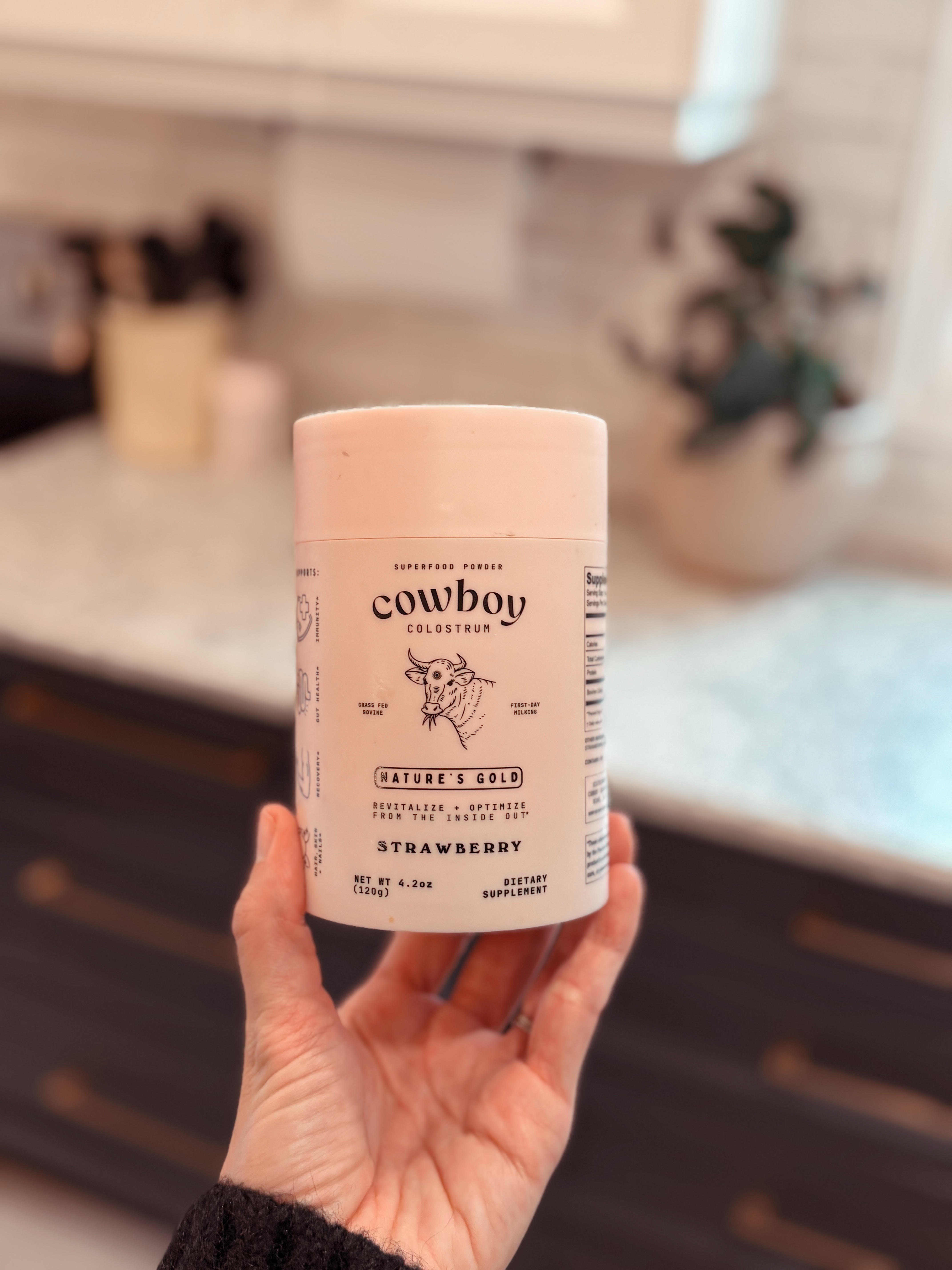
The colostrum I currently use is Cowboy Colostrum. I only like sharing products that genuinely fit with my approach to wellness, and Cowboy Colostrum is one I feel comfortable including in this conversation.
What initially interests me is the simplicity of adding colostrum to a daily routine. I do not have to think about it as a complicated wellness protocol. It is simply another way to incorporate bovine colostrum into my routine while being intentional about what I choose to consume.
When I look at colostrum vs collagen, this broader approach is what makes colostrum appealing to me. Collagen is excellent when your primary goal is increasing your intake of collagen peptides. Colostrum offers a completely different nutritional profile. It naturally contains a variety of proteins and bioactive compounds that make it an intriguing choice for overall wellness.
If you have been researching the difference between colostrum and collagen and are wondering which one to try first, I would start with your personal goals. If you want a beauty-focused supplement for skin or joint support, collagen may be the better fit. If you want to explore a supplement with a broader range of naturally occurring components, I think colostrum is worth considering.
For anyone who has been curious about trying colostrum, Cowboy Colostrum is the one I currently recommend. I like having a simple option to incorporate into my wellness routine, and I appreciate that colostrum offers something distinctly different from collagen. If you are ready to try bovine colostrum for yourself, this is the product I would start with.
Cowboy Colostrum vs Other Colostrum Brands
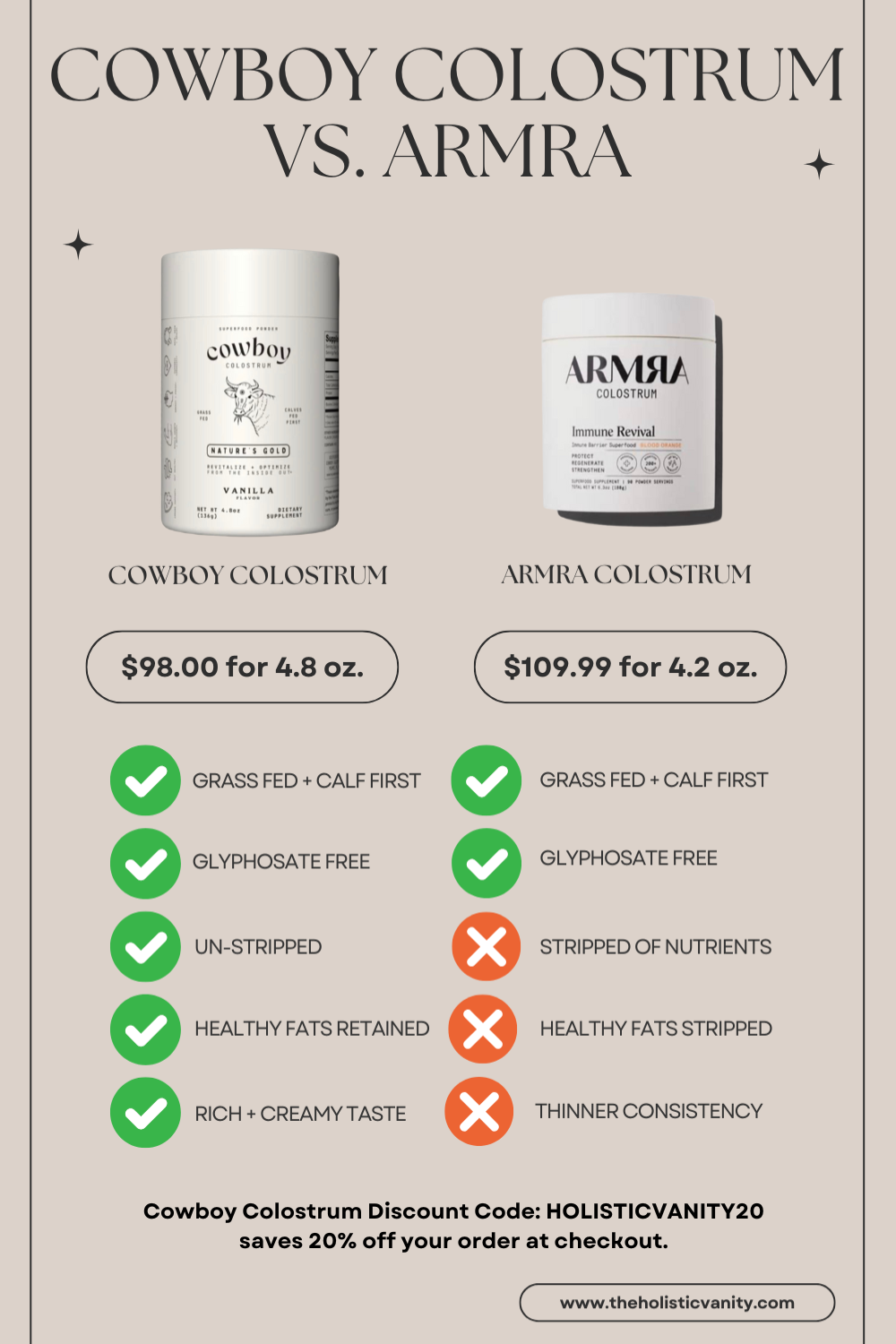
I have been taking Cowboy Colostrum for 3 years. After years of trialing different colostrum brands, I have compared and broken down the different brands so you could better understand why Cowboy stands out:
- Cowboy Colostrum vs ARMRA Colostrum: Which Is Better for Your Health?
- Cowboy Colostrum vs Wondercow Colostrum: What’s the Difference?
- Best Colostrum Supplement: A Side-by-Side Look at Popular Brands
The Bottom Line: Colostrum vs Collagen
When it comes to colostrum vs collagen, I do not think there is one supplement that is automatically better for everyone. They are different, and your choice should depend on what you want to support. Collagen is a great option when your primary focus is skin, joints, and connective tissue. Colostrum offers a broader combination of naturally occurring proteins and bioactive compounds.
For me, colostrum is the clear choice. I like that bovine colostrum naturally contains immunoglobulins, lactoferrin, proteins, growth factors, and other compounds that are being studied for their potential role in gut health, immune support, recovery, and overall wellness. It fits better with my approach of looking at health from the inside out.
I also appreciate that choosing colostrum does not mean you have to give up collagen. The two can complement different wellness goals. If you already enjoy collagen for its beauty or joint benefits, there is no reason to view colostrum and collagen as an either-or decision.
My Choice for Colostrum Supplement: Cowboy Colostrum
But if you are deciding which one to try first, I would look at the bigger picture. If you want a supplement specifically centered around collagen peptides, collagen may be the obvious choice. If you want to explore bovine colostrum benefits and add a supplement with a more diverse nutritional profile, colostrum is the option I would choose.
That is ultimately why I personally choose colostrum. It feels like a natural fit for the way I approach holistic wellness. I am less interested in taking a supplement simply because it is popular and more interested in understanding what it contains and how it fits into my overall routine.
Where to Buy Cowboy Colostrum + Discount Code
If you have been researching colostrum vs collagen and are ready to try colostrum for yourself, Cowboy Colostrum is the product I currently use and recommend. I am a brand ambassador and affiliate for the company, so I may earn a commission if you purchase through my link. I only share products that align with my personal approach to wellness, and Cowboy Colostrum is one I am happy to recommend to readers who want to explore the benefits of bovine colostrum.
Ultimately, the best supplement is the one that matches your individual goals. But if you are looking beyond a single beauty benefit and want to explore the broader potential of colostrum, I think it is worth adding to your wellness routine.
➡️ You can shop Cowboy Colostrum HERE, Use Discount Code: HOLISTICVANITY20 for 20% off your order.
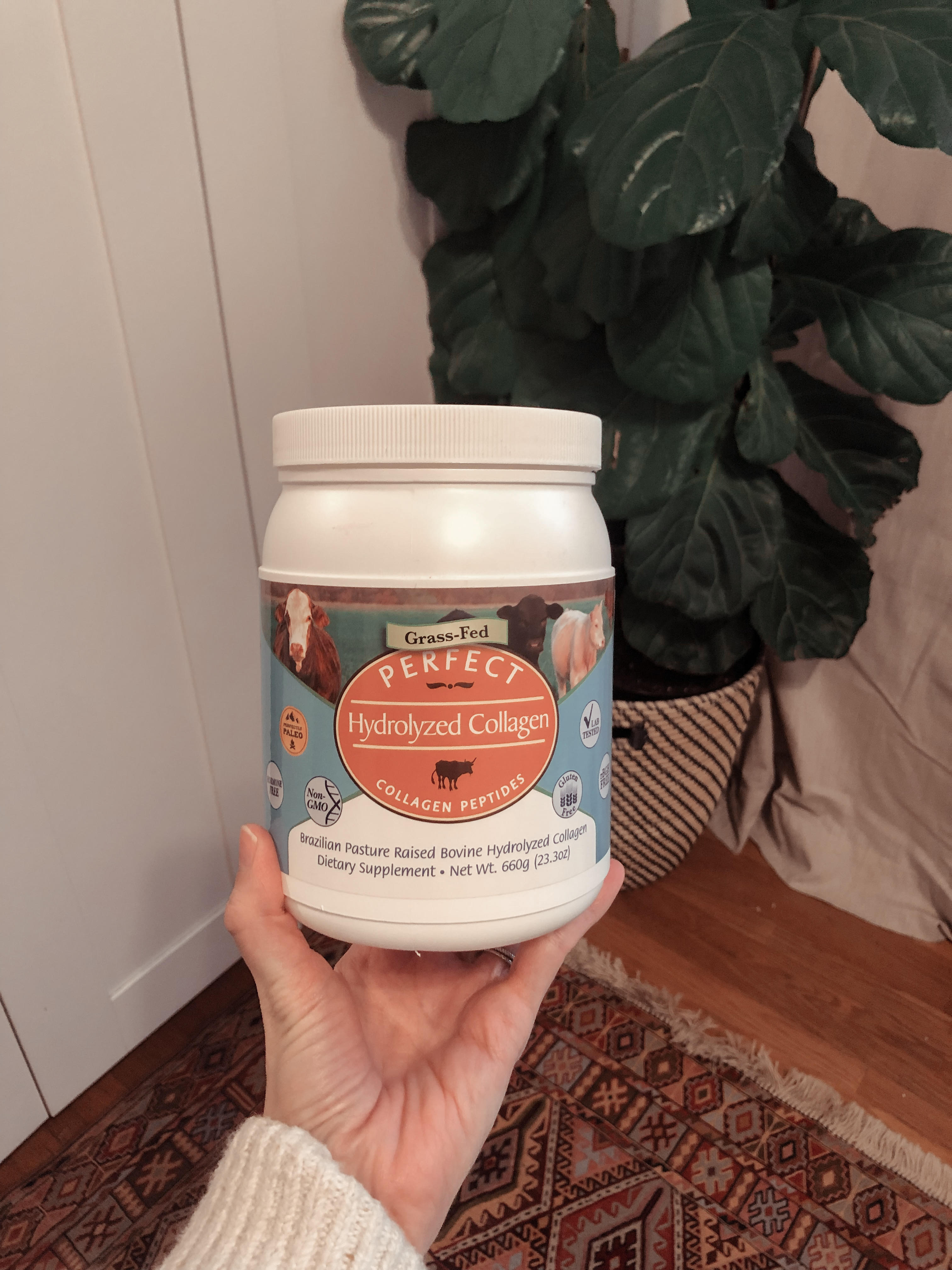
My Choice for Collagen Supplement: Perfect Supplements Collagen
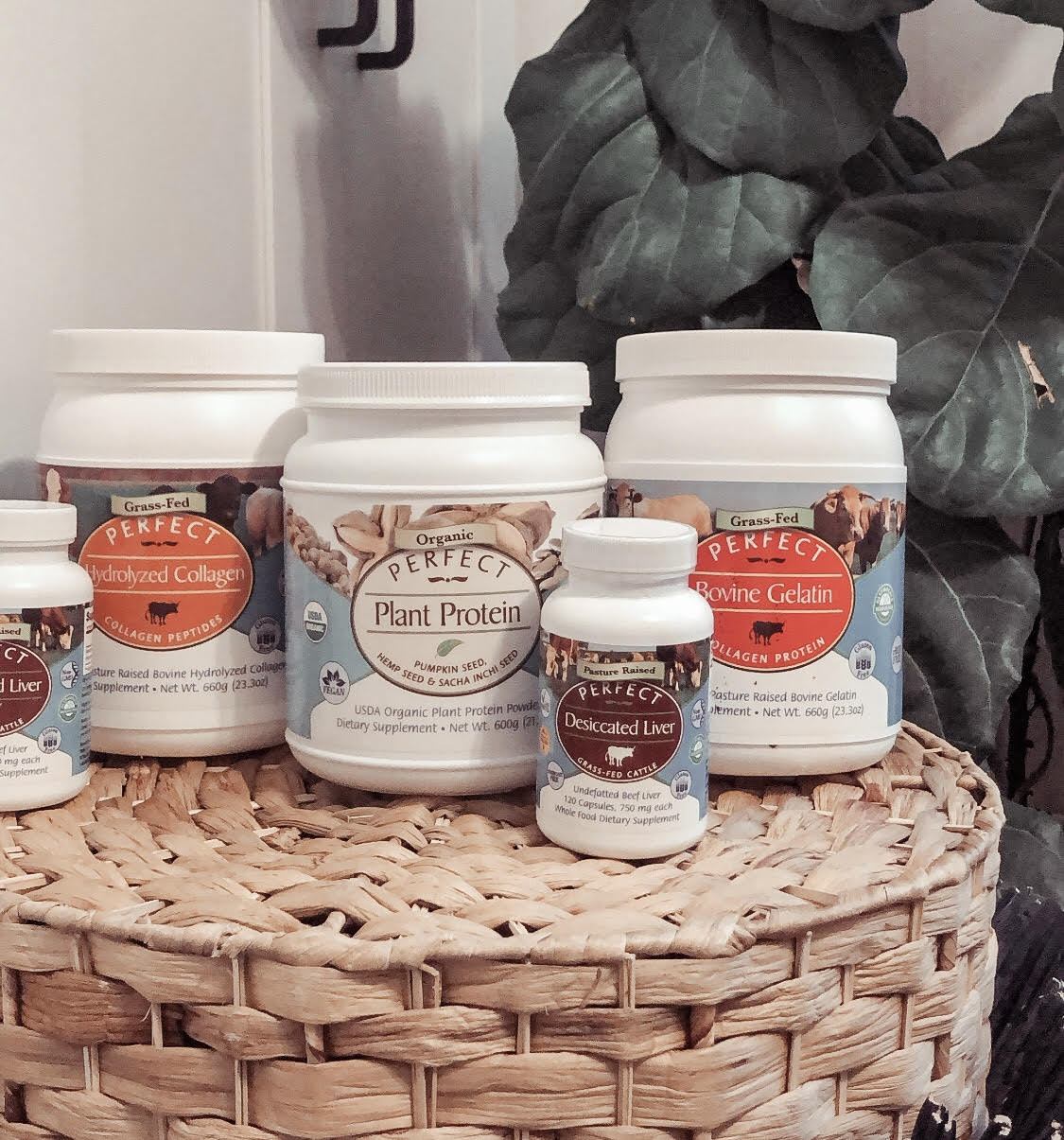
While colostrum is my personal choice for broader wellness support, I still see a place for a quality collagen supplement. When I want to add collagen to my routine, Perfect Supplements Collagen is the product I choose.
What I like about collagen is how simple and targeted it is. Collagen peptides provide a convenient source of amino acids that the body uses to build and maintain connective tissue. This makes collagen especially appealing when my focus is skin, joints, and overall connective tissue support.
I also appreciate having options depending on my wellness goals. I do not think the choice always has to be colostrum vs collagen. They serve different purposes. Colostrum offers a broader range of naturally occurring compounds, while collagen is a more targeted addition when I want to focus specifically on collagen peptides.
If you are looking for a collagen supplement and want something that fits easily into a daily wellness routine, Perfect Supplements Collagen is the one I recommend considering. It is also a product that pairs naturally with a holistic approach to wellness. I can use collagen when I want targeted connective tissue support while keeping colostrum as part of my broader wellness routine.
Where to Buy Perfect Supplements Collagen + Discount Code
If you are ready to try Perfect Supplements Collagen, I recommend purchasing it directly through the brand’s official website. This is the easiest way to see the current product information, ingredients, available sizes, and purchasing options in one place.
I always recommend checking the current product label before purchasing. Supplement formulas and serving recommendations can change over time. It is also worth considering your own dietary needs and wellness goals when deciding whether collagen is the right addition to your routine.
For readers comparing collagen vs colostrum, I think both can have a place in a thoughtful wellness routine. If your primary goal is adding collagen peptides, Perfect Supplements Collagen is the option I personally choose. If you want to explore a supplement with a broader range of naturally occurring proteins and bioactive compounds, I personally lean toward bovine colostrum.
The important thing is choosing based on your own health goals, rather than assuming one supplement is automatically better than the other.
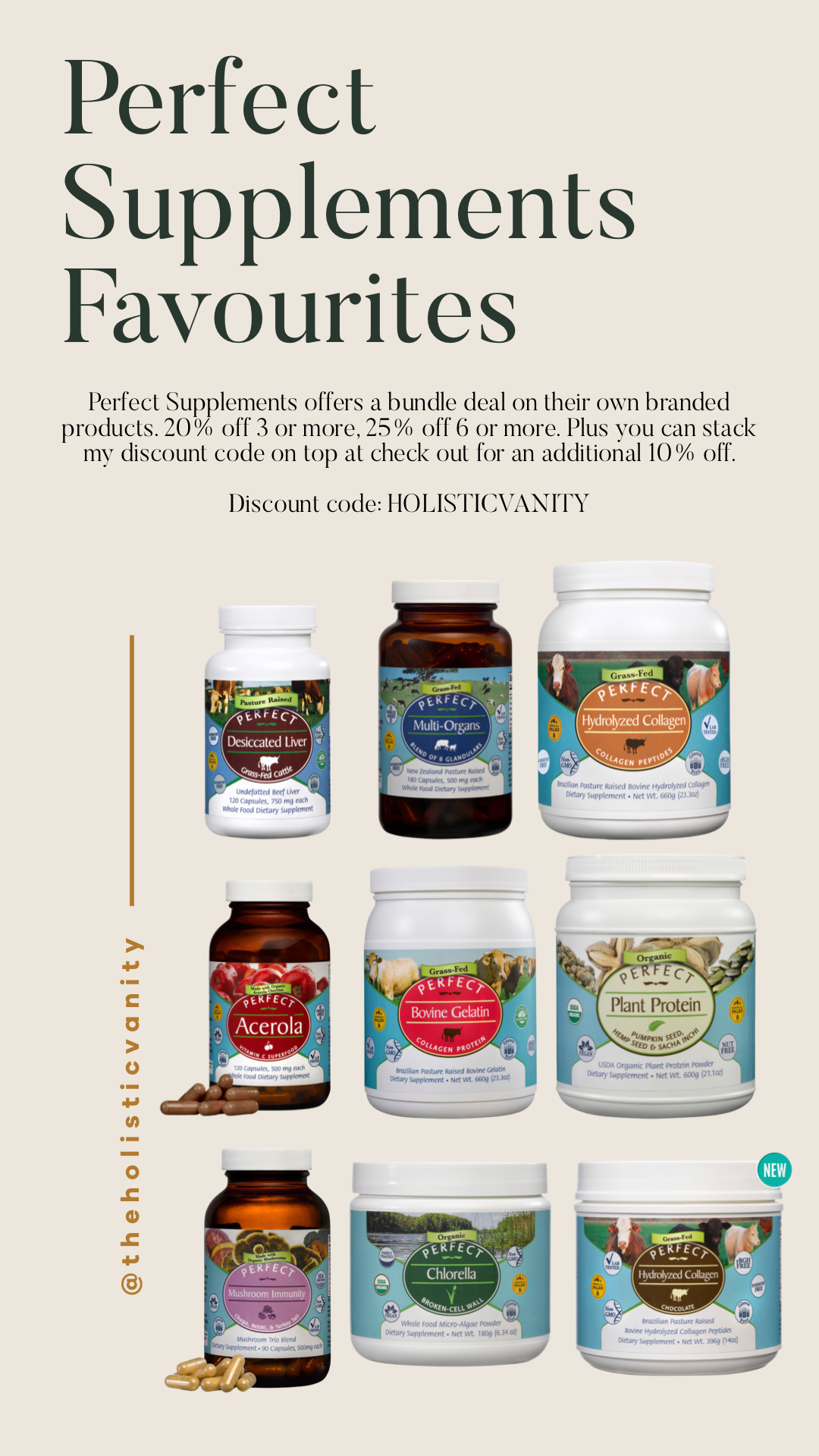
➡️ You can shop Perfect Supplements Collagen HERE, Use Discount Code: HOLISTICVANITY for 10% off your order. All Perfect Supplements branded products are 20% off for 3 or more products – or – 25% off for 6 or more products. My discount code bundles and adds an additional 10% off of their bundled discounts.
Frequently Asked Questions About Colostrum vs Collagen
If you are still wondering about colostrum vs collagen, you are not alone. These supplements have some similarities, but they are very different nutritionally. Below, I answer some of the most common questions about colostrum and collagen to help you decide which may fit your wellness goals.
Is Colostrum the Same as Collagen?
No, colostrum is not the same as collagen. They come from different parts of the body and have very different nutritional profiles. Collagen is a structural protein that helps form connective tissues throughout the body. Colostrum is the first milk produced by mammals after giving birth and naturally contains proteins, immunoglobulins, lactoferrin, growth factors, and other bioactive compounds.
This is one of the biggest differences between colostrum vs collagen. Collagen supplements generally focus on providing collagen peptides and amino acids. Colostrum provides a much broader combination of naturally occurring components. Neither one is simply a replacement for the other.
Is Colostrum Better Than Collagen?
Whether colostrum is better than collagen depends on your goals. Collagen is a targeted option for people primarily interested in skin, joints, and connective tissue. Colostrum is appealing when your focus includes gut health, immune support, recovery, and overall wellness.
For me, this is why I prefer colostrum. I like having a supplement with a broader nutritional profile rather than focusing on one specific structural protein. That does not make collagen inferior. It simply makes colostrum vs collagen a question of what you want from your supplement.
Can You Take Colostrum and Collagen Together?
Yes, you can take colostrum and collagen together as part of a wellness routine. They provide different nutrients and are not interchangeable. Collagen provides collagen peptides and amino acids, while colostrum contains a range of proteins and bioactive compounds.
Taking both can make sense if you have multiple wellness goals. For example, you may choose collagen for its role in a skin or joint-focused routine while adding colostrum for broader gut and immune support.
As with any supplement, it is important to consider your individual needs. If you have a medical condition, take medications, are pregnant or breastfeeding, or have a dairy or milk allergy, talk with your healthcare professional before adding colostrum or collagen.
Is Colostrum Good for Gut Health?
Colostrum is an interesting supplement for gut health because it naturally contains immunoglobulins, lactoferrin, growth factors, and other bioactive components. Research is exploring how these compounds may interact with the intestinal barrier and support gastrointestinal health.
This is one area where I find colostrum vs collagen especially interesting. Collagen can provide amino acids that are important for connective tissue, but colostrum offers additional components that are specifically being studied in relation to the gut.
I also like that gut health fits into a bigger picture of wellness. Rather than looking at one isolated benefit, colostrum gives me a way to support my overall approach to health from the inside out.
Is Colostrum Good for Skin?
Colostrum may have benefits that are interesting for skin health, but I would not consider it a replacement for collagen when skin is your only goal. Colostrum contains proteins, growth factors, lactoferrin, immunoglobulins, and other compounds that are being researched for their potential effects on skin and overall health.
When it comes to collagen vs colostrum for skin, collagen has the more direct connection to the structure of skin because collagen is one of its primary structural proteins. Colostrum is different. Its appeal comes from its broader nutritional and bioactive profile.
For my own approach to beauty, I like thinking about skincare from both the outside and the inside. That makes colostrum an interesting addition to a holistic wellness routine, even when skin is not my only goal.
Should You Take Colostrum Every Day?
Many people choose to take colostrum every day as part of their regular wellness routine. However, there is no single daily schedule that is right for everyone. The appropriate amount can depend on the specific product, its formulation, and your individual needs.
If you decide to try bovine colostrum, I recommend following the serving instructions provided by the manufacturer rather than assuming more is better. Consistency also matters more than taking excessive amounts.
For me, the biggest advantage of having colostrum as part of a routine is its simplicity. I prefer wellness habits that are easy to maintain. A supplement is much more useful to me when it fits naturally into my day.
What Is the Best Time to Take Colostrum?
There is not necessarily one best time to take colostrum that works for everyone. The most important thing is to follow the instructions for the specific product you choose. Some people prefer taking colostrum in the morning, while others incorporate it into another part of their daily routine.
If you are new to colostrum, I recommend starting by following the manufacturer’s directions and finding a time that is easy for you to remember. Making it part of an existing routine can help you stay consistent.
I personally think this is one of the best things about adding bovine colostrum to a wellness routine. It does not have to be complicated. When you find a quality product that works for your lifestyle, it can become a simple part of your everyday approach to wellness.
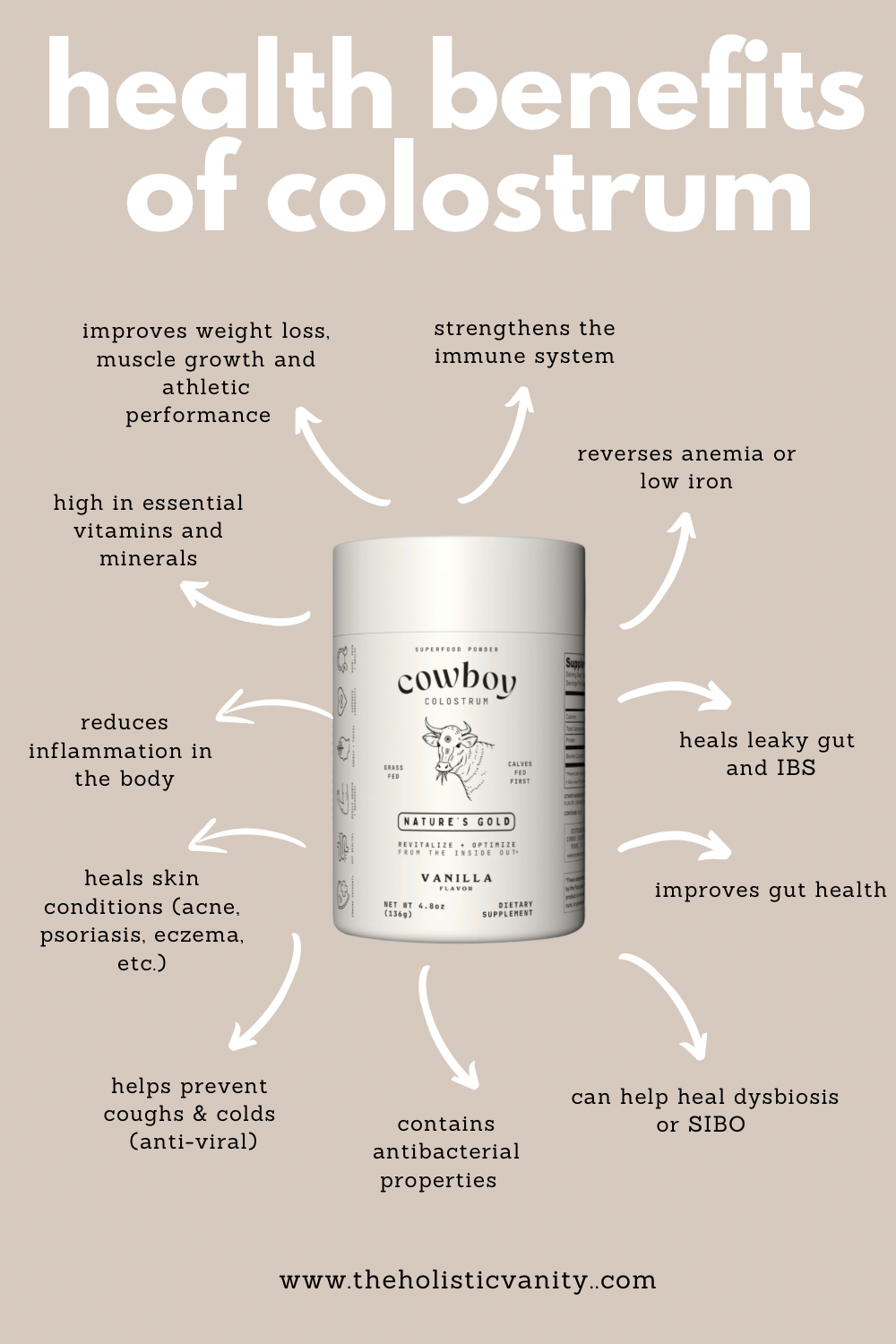
** PIN the graphic below to save this post for later **





No Comments