
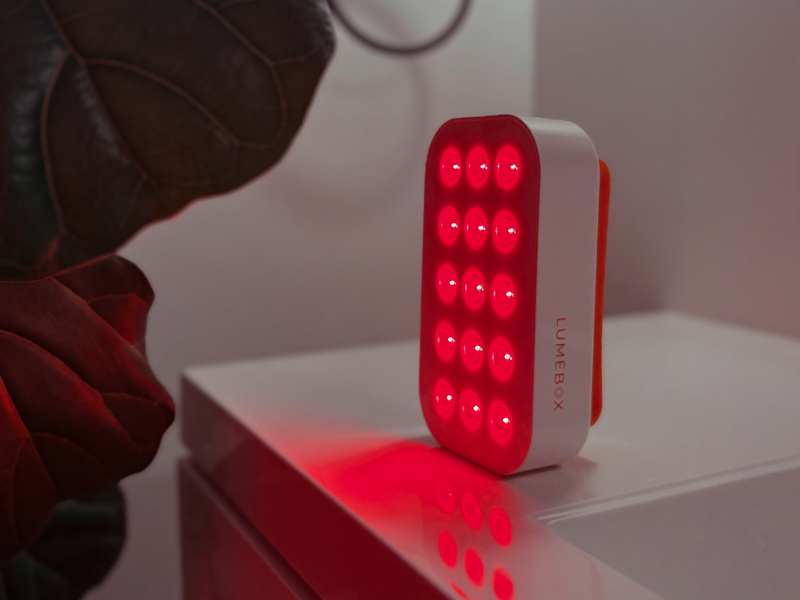
Have you ever wondered how does red light therapy work and what actually happens inside your body when you use it? Red light therapy has become increasingly popular in the wellness and skincare world, but the science behind it is just as interesting as the potential benefits. Also known as photobiomodulation, red light therapy uses specific wavelengths of red and near-infrared light to interact with cells and influence biological processes. Researchers are exploring how this light exposure may support skin health, cellular energy production, tissue recovery, and other aspects of wellness.
* This post may include affiliate links. This means that products purchased from certain links will generate a small commission (At no extra cost to you). As always, I will only recommend brands that have passed my seal of approval and that I truly love. Thank you for supporting this little holistic space on the internet. *
* Information in this post is not professional medical advice and should not be relied on or used in place of consultation with healthcare professionals. Should you have any medical questions, please consult your primary healthcare provider. **
As someone who has personally tested several red light therapy devices, including Lumebox, I find understanding the technology behind these devices just as important as choosing the right product. Not all devices offer the same wavelengths, power output, or treatment specifications. In this guide, I explain how red light therapy works, the role of mitochondria and ATP, why wavelengths matter, and what current research tells us about photobiomodulation. Whether you are curious about the science or considering investing in a red light therapy device for home use, this guide will help you understand the basics before making a decision.
How Does Red Light Therapy Work?
If you have ever wondered how red light therapy works, the answer lies in the way specific wavelengths of light interact with biological tissues. Red light therapy uses carefully selected wavelengths of red and near-infrared light to influence cellular processes. Researchers continue to investigate how this light exposure may affect cellular energy production, tissue recovery, skin health, and other biological functions. Unlike skincare treatments that work primarily on the skin’s surface, red light therapy is being studied for its potential effects on processes occurring within cells.
However, not all red light therapy devices deliver the same treatment. Wavelength, irradiance, exposure time, and treatment distance all influence how light reaches the targeted area. This is something I pay close attention to when researching and comparing devices for my own wellness routine. I want to understand the technology behind a product rather than simply choosing one based on its appearance or marketing claims. My Lumebox 2.0 review explains the features I consider when choosing a red light therapy device for home use.
What Is Photobiomodulation?
Photobiomodulation (PBM) is the scientific term for using specific wavelengths of light to influence biological activity. It commonly involves red and near-infrared light and is the underlying process studied in many red light therapy applications. Researchers investigate how light absorbed by cellular components may influence energy production, signaling pathways, and processes involved in tissue function.
Photobiomodulation is particularly interesting because it does not rely on ultraviolet (UV) light. Instead, it uses specific wavelengths selected for their interaction with biological tissues. Research explores potential applications in areas such as skin health, wound healing, pain management, and recovery. However, the strength of the evidence varies depending on the condition, wavelength, treatment protocol, and device used.
Understanding photobiomodulation has changed how I evaluate red light therapy products. Rather than focusing only on the number of LEDs or how bright a device looks, I pay attention to its technical specifications and intended use. If you are considering investing in red light therapy for home use, learning the basics of photobiomodulation can help you make a more informed purchasing decision.
How Does Light Interact With Your Cells?
To understand how red light therapy works at a cellular level, it helps to look at how light energy interacts with biological tissues. When red or near-infrared light reaches the body, some of that light is reflected, some is scattered, and some is absorbed by cellular components. The amount absorbed depends on several factors, including wavelength, tissue characteristics, and the distance between the light source and the treatment area.
One area of scientific interest involves the mitochondria, which help produce adenosine triphosphate (ATP). ATP supplies energy for many essential cellular processes. Researchers are investigating how certain wavelengths of light may interact with components involved in mitochondrial function and influence cellular signaling. Other proposed mechanisms involve changes in oxidative signaling and pathways associated with inflammation and tissue repair. These effects are still being studied, and they should not be interpreted as guaranteed outcomes for every person or condition.
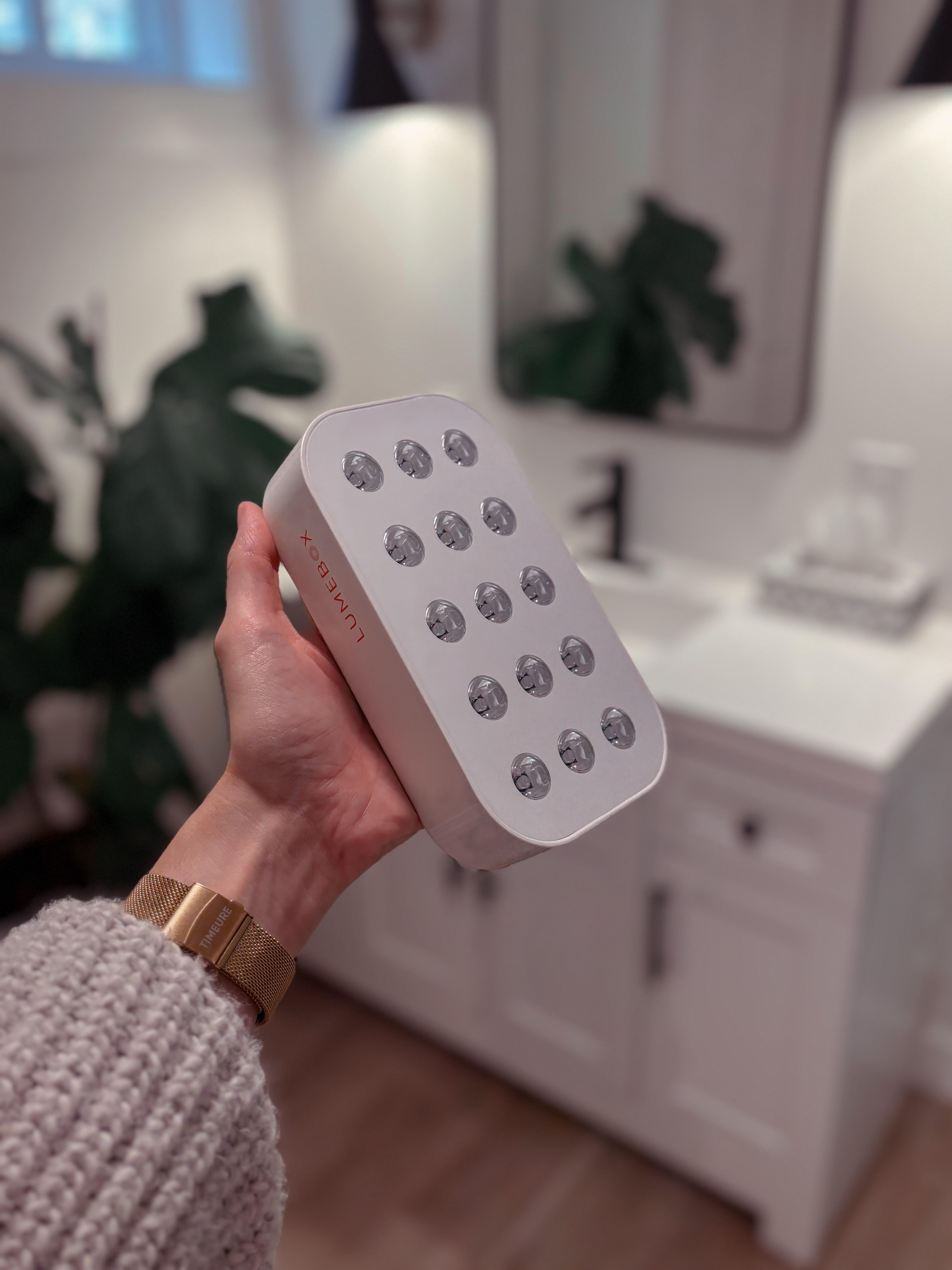
This is also why I look beyond the general label of red light therapy when comparing devices. The wavelength, irradiance, treatment duration, and consistency of use all matter when evaluating how a device is designed to deliver light. Lumebox combines red and near-infrared wavelengths in a portable format, which I appreciate for targeted treatments at home. You can learn more about its specifications and my personal experience in my Lumebox 2.0 review.
Does Red Light Therapy Use Heat?
Red light therapy is not primarily a heat-based treatment. Traditional photobiomodulation uses specific wavelengths of red or near-infrared light to interact with biological tissues rather than relying on high temperatures to produce an effect. This distinguishes it from treatments such as infrared saunas, which are designed to warm the body, even though some overlap exists in the types of light or radiation involved.
You may notice a slight warming sensation during a red light therapy session, depending on the device, treatment duration, and distance from the light source. Near-infrared light is invisible to the eye, so you cannot judge its output by how bright the device appears. A warm sensation also does not necessarily indicate that a treatment is more effective.
When shopping for a red light therapy device for home use, I recommend looking at the manufacturer’s wavelength specifications, irradiance measurements, treatment guidance, and safety information. I also consider whether the device is practical enough to use consistently. For me, portability and ease of use are important because a wellness tool needs to fit into everyday life. Understanding the difference between light-based photobiomodulation and heat-based treatments helps you choose a device that aligns with your goals.
Red Light Therapy and Mitochondria: How Does It Affect Cellular Energy?
One of the most fascinating areas of research into how red light therapy works involves the mitochondria. These tiny structures inside our cells help produce the energy our bodies need to function. Researchers are investigating how specific wavelengths of red and near-infrared light interact with mitochondrial components and influence cellular processes.
This is one reason red light therapy has attracted interest in skincare, recovery, and wellness. Healthy cellular function plays a role in many processes throughout the body. However, the effects of red light therapy depend on the wavelength, dose, treatment protocol, and condition being studied. More light does not necessarily mean better results, and research findings do not always translate directly into noticeable benefits at home.
When I research red light therapy devices, I look beyond the marketing claims to understand the science behind the technology. I also consider practical features, including wavelength specifications, irradiance, safety information, and ease of use. These details help me make a more informed decision when choosing a device for my own wellness routine.
What Are Mitochondria?
Mitochondria are structures found inside most of our cells. They are often called the powerhouses of the cell because they play an important role in producing usable cellular energy. Beyond energy production, mitochondria also participate in processes involved in cell signaling, metabolism, and responses to stress.
Because mitochondria help support so many cellular functions, they are a major focus of photobiomodulation research. Scientists are studying whether certain wavelengths of red and near-infrared light can influence mitochondrial activity and other biological pathways.
This does not mean that red light therapy automatically improves mitochondrial function in everyone. The response depends on several factors, including the tissue being treated, the light dose, and the individual’s circumstances. Still, understanding the role of mitochondria helps explain why researchers continue to explore red light therapy for different applications.
What Is ATP and Why Does It Matter?
Adenosine triphosphate, commonly known as ATP, is the main energy-carrying molecule used by cells. It supplies energy for many essential processes, including muscle contraction, cellular maintenance, and the production of important molecules.
The relationship between red light therapy and ATP is one of the most frequently discussed topics in photobiomodulation research. Some studies suggest that specific light exposures may influence mitochondrial activity and cellular energy production under certain conditions. However, results vary, and it is important not to assume that every red light therapy treatment increases ATP or produces the same biological response.
This is why I prefer to look at red light therapy as a developing area of wellness research rather than a guaranteed solution. Understanding the proposed mechanisms is useful, but the quality of evidence for a particular benefit matters just as much.
When comparing red light therapy devices, I also consider how clearly the manufacturer explains its wavelengths, irradiance, and recommended treatment parameters. A device’s specifications help you understand how it is intended to be used, although specifications alone cannot guarantee a particular health outcome.
What Research Says About Red Light and Cellular Energy
Researchers continue to investigate how red and near-infrared light interact with mitochondria and influence cellular signaling. One proposed mechanism involves an enzyme called cytochrome c oxidase, which plays a role in the mitochondrial respiratory chain. Some research suggests that light absorption by cellular components may influence processes associated with energy metabolism and oxidative signaling.
These mechanisms are still being studied. The response to photobiomodulation can vary with wavelength, light dose, exposure time, and the type of tissue being treated. Research findings from laboratory experiments also do not always translate directly into meaningful clinical benefits in humans.
For me, this is an important distinction when researching red light therapy for home use. I want to understand the science, but I also want realistic expectations about what a device can and cannot do. I pay attention to independent research, device specifications, and practical considerations rather than relying solely on testimonials or broad wellness claims.
If you are exploring these factors before purchasing a device, my Lumebox 2.0 review explains why I chose Lumebox and which features I consider when comparing red light therapy devices.
Ultimately, mitochondrial research helps explain how red light therapy may influence cellular processes, but it is only one part of the bigger picture. The wavelengths used, the amount of light delivered, and the specific application all matter. Next, let’s look at the differences between red and near-infrared light and why wavelength selection is such an important part of red light therapy.
Red Light vs. Near-Infrared Light: Understanding Wavelengths
When researching how red light therapy works, you will often see red light and near-infrared light mentioned together. However, these wavelengths have different properties. Understanding the difference can help you choose a red light therapy device that suits your needs.
Red light is visible to the human eye. Near-infrared light is invisible but can penetrate deeper into some tissues. Both are used in photobiomodulation research. Their effects depend on the wavelength, treatment dose, and application.
I pay close attention to wavelengths when comparing red light therapy devices. I want to understand the technology behind a product before investing in it. This is especially important when choosing a device for regular home use.
What Is Red Light Therapy Wavelength?
A wavelength describes the distance between successive peaks of a light wave. It is measured in nanometers (nm). Different wavelengths interact with biological tissues in different ways.
Red light therapy devices commonly use wavelengths between approximately 630nm and 670nm. Near-infrared devices often use wavelengths between 800nm and 900nm. These ranges are common examples rather than universal standards.
Wavelength influences how light interacts with tissue. However, it does not determine effectiveness on its own. Irradiance, treatment duration, distance, and the targeted condition also matter.
When shopping for a red light therapy device, I recommend checking the manufacturer’s published specifications. This helps you understand which wavelengths the device delivers. It also makes comparing different products much easier.
Common Red Light Therapy Wavelengths: 630nm and 660nm
Two commonly discussed red light therapy wavelengths are 630nm and 660nm. Both fall within the visible red-light spectrum. Researchers have investigated these wavelengths for applications involving skin health and other biological processes.
The 630nm wavelength appears in some devices designed for skin-focused treatments. The 660nm wavelength is also widely used in red light therapy products. However, neither wavelength guarantees a particular result.
The overall treatment depends on more than the wavelength alone. Light intensity, exposure time, treatment distance, and the condition being studied all influence outcomes. Research findings can also differ between devices and treatment protocols.
When comparing devices, I look for clearly stated wavelengths rather than vague descriptions. I also consider how easy the device is to use consistently. These details help me make a more informed purchasing decision.
Near-Infrared Wavelengths: 810nm, 830nm, and 850nm
Near-infrared light is invisible to the human eye. It generally penetrates deeper into tissue than visible red light. This makes it particularly interesting in research involving muscles, joints, and other tissues.
Common near-infrared wavelengths include 810nm, 830nm, and 850nm. Researchers investigate these wavelengths for various photobiomodulation applications. However, results depend on the treatment parameters and specific condition being studied.
Near-infrared light does not automatically produce better results than red light. The most appropriate wavelength depends on the intended application. Device quality and treatment protocols also play important roles.
I consider the combination of red and near-infrared light when researching devices for home use. Lumebox combines both types of light in one portable device. I appreciate having a device that fits easily into my wellness routine.
You can read more about the device’s specifications and my personal experience in my Lumebox 2.0 review.
Why Do Different Wavelengths Matter?
Wavelength selection is an important consideration when choosing a red light therapy device. Different wavelengths interact with tissues differently. However, wavelength alone cannot determine how effective a treatment will be.
I also look at irradiance, treatment distance, exposure time, and the manufacturer’s instructions. These factors help explain how much light reaches the treatment area. They also help distinguish one device from another.
I recommend avoiding products that make broad promises based on wavelength alone. A higher wavelength or more LEDs does not automatically mean better results. Instead, look for clear specifications and realistic explanations of the technology.
For me, understanding these details makes choosing a red light therapy device less overwhelming. I can compare products based on their features rather than marketing claims. This is particularly helpful when investing in a device for regular use.
Now that we understand the differences between red and near-infrared light, let’s explore what happens inside the body during red light therapy.

What Happens to Your Body During Red Light Therapy?
Red light therapy exposes your body to specific wavelengths of red and near-infrared light. Researchers are studying how this light interacts with cells and biological processes. These interactions may influence skin health, tissue recovery, and inflammatory responses. However, results depend on the treatment method, wavelength, dose, and individual circumstances.
Understanding these processes helps explain why red light therapy attracts interest in wellness routines. It also highlights why realistic expectations matter. Research findings do not guarantee the same results for everyone.
Red Light Therapy and Skin Cells
Red light therapy is widely studied for its potential effects on skin health. Researchers are investigating its influence on collagen production, cellular signaling, and skin repair. Collagen helps support skin structure, firmness, and elasticity.
Some studies suggest that red light exposure may improve certain signs of skin aging. These include fine lines, skin texture, and overall appearance. However, results vary between studies and treatment protocols. Red light therapy should not replace established skincare or medical treatments.
I find the research around red light therapy and skin health particularly interesting. I also consider device specifications when choosing a treatment. Wavelengths, light output, and recommended treatment times all matter. I prefer understanding how a device works before adding it to my routine.
If you’re exploring these potential benefits, read my guide to the health benefits of red light therapy. It covers several areas researchers continue to investigate.
Red Light Therapy and Tissue Recovery
Researchers are also studying red and near-infrared light for tissue recovery. These wavelengths may influence cellular signaling involved in normal repair processes. Some research examines their potential role in exercise recovery, muscle discomfort, and joint-related symptoms.
Near-infrared light receives particular attention because it may penetrate deeper into tissue than visible red light. However, penetration depends on several factors. These include wavelength, tissue composition, and the treatment device.
I have personally explored red light therapy as part of my wellness routine. I’ve used it during periods of exercise-related discomfort and recovery. I also appreciate having a convenient device available at home. My experience is personal, though, and does not establish clinical effectiveness.
Research findings differ depending on the condition being studied. Treatment protocols also influence outcomes. Red light therapy should complement appropriate care rather than replace medical advice. Persistent pain, significant injuries, or worsening symptoms deserve professional assessment.
When comparing devices, I look beyond marketing claims. I consider wavelength specifications, treatment instructions, and practical usability. You can learn more in my Lumebox 2.0 review.
Red Light Therapy and Inflammatory Processes
Inflammation is part of the body’s normal response to injury and infection. It helps coordinate immune activity and tissue repair. However, inflammation can also contribute to discomfort in certain conditions.
Researchers are investigating how photobiomodulation may influence inflammatory signaling. Some studies report changes in markers associated with inflammation. Other findings vary depending on the condition, treatment settings, and study design.
This research helps explain the growing interest in red light therapy. However, it does not mean red light therapy treats every inflammatory condition. The evidence differs across applications, and more research remains necessary.
I find it important to separate promising research from proven outcomes. A biological change observed in a laboratory does not always translate into meaningful benefits. Individual responses can also differ.
For anyone considering red light therapy, I recommend reviewing the available evidence for their specific concern. Choose a device with clear specifications and follow its safety instructions. Consult a healthcare professional if you have an ongoing medical condition or persistent symptoms.
Overall, red light therapy may influence several biological processes. Researchers continue to explore how these effects translate into practical health benefits. Next, it’s important to understand irradiance, which helps explain how much light reaches your skin.
Final Thoughts: Understanding How Red Light Therapy Works
Understanding how red light therapy works can help you make more informed wellness decisions. Research continues to explore its effects on skin health, cellular signaling, tissue recovery, and inflammatory processes. However, results vary depending on the condition, treatment protocol, and device used.
When researching red light therapy, I recommend looking beyond marketing claims. Consider wavelength, irradiance, treatment distance, and recommended exposure time. These details help you better understand what a device offers. It is also important to follow manufacturer instructions and maintain realistic expectations.
Red light therapy has become a regular part of my wellness routine. After researching and testing different devices, I pay close attention to quality, specifications, and usability. The Lumebox 2.0 remains my personal favorite for at-home red light therapy. I appreciate its portable design and combination of red and near-infrared light.
If you’re exploring red light therapy for yourself, I’ve created several additional guides to help you learn more.
- Explore the potential benefits: My guide to 16 health benefits of red light therapy covers areas researchers continue to investigate.
- Read my personal device review: My Lumebox 2.0 review shares my experience, device specifications, and reasons for choosing it.
- Learn how to use Lumebox: My step-by-step Lumebox tutorial explains setup, treatment positioning, session timing, and common questions.
- Compare popular devices: My Lumebox vs. Bon Charge comparison explores differences between these two options. You can also read my newer Lumebox vs. Hooga comparison for another perspective.
My goal is to help you understand the science before investing in a red light therapy device. With a clearer understanding of wavelengths, irradiance, and current research, you can make choices that suit your needs and wellness goals.
Remember that red light therapy is not a replacement for medical care. Speak with a qualified healthcare professional if you have specific health concerns or questions about whether it’s appropriate for you.



No Comments