

Red light therapy has become one of the most popular wellness tools for supporting skin health, reducing inflammation, and promoting recovery at home. If you are researching Lumebox vs Hooga, you are likely trying to decide which red light therapy device offers the best performance and value. Both brands are well known in the red light therapy space, but they are designed with different priorities in mind. In this comparison of Lumebox vs Hooga, I’ll break down the key differences in technology, power, usability, and overall results. By the end of this guide, you’ll have a clearer understanding of which device is the better investment for your wellness routine.
* This post may include affiliate links. This means that products purchased from certain links will generate a small commission (At no extra cost to you). As always, I will only recommend brands that have passed my seal of approval and that I truly love. Thank you for supporting this little holistic space on the internet. *
* Information in this post is not professional medical advice and should not be relied on or used in place of consultation with healthcare professionals. Should you have any medical questions, please consult your primary healthcare provider. **
Lumebox vs Hooga: Quick Comparison
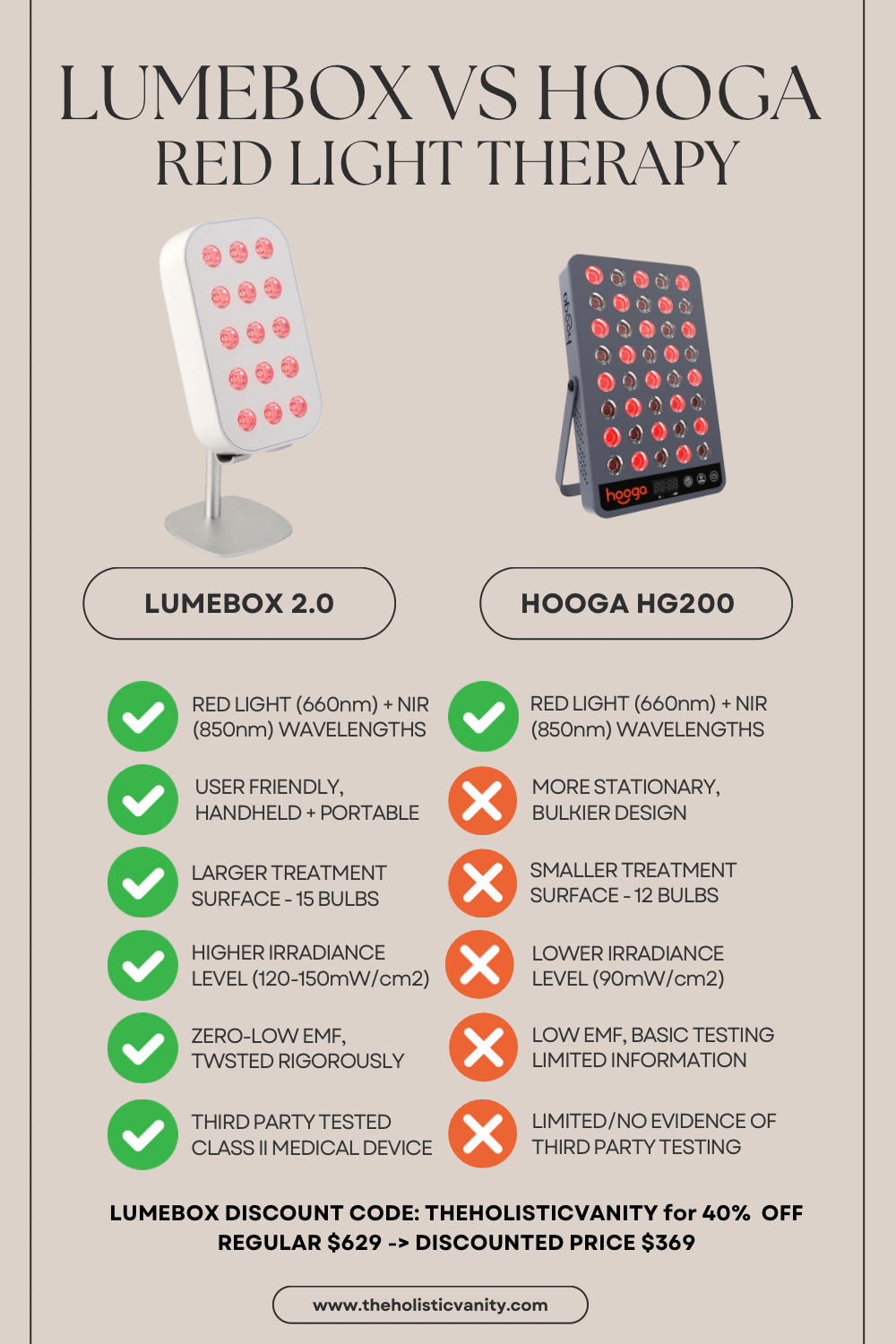
When comparing Lumebox vs Hooga, many people assume the main difference is between a portable device and a large red light panel. However, Hooga also offers smaller portable red light therapy devices, which makes the comparison much closer. Both Lumebox and Hooga’s portable red light therapy devices are designed for convenient home treatments, targeted therapy, and easier daily use.
That said, the Lumebox red light therapy device is specifically engineered for focused treatments and user-friendly design. It prioritizes portability, quick sessions, and consistent light delivery to targeted areas. Hooga’s smaller device offers similar portability, but it is generally designed as a more basic handheld light. For users researching Lumebox vs Hooga portable red light therapy devices, the difference often comes down to treatment efficiency, design quality, and overall user experience.
Lumebox vs Hooga Portable Device Comparison Table
| Feature | Lumebox | Hooga Portable Device |
|---|---|---|
| Device Type | Portable targeted red light therapy device | Portable handheld red light therapy device |
| Wavelengths | 660nm. (Red) 850nm. (NIR) | 660nm. (Red) 850nm. (NIR) |
| Irradiance | 125mW/cm² (Red) and 140mW/cm² (NIR) | 90 mW/cm² (no further information) |
| Ease of Use | Portable design, User Friendly | Bulkier, Heavier, Not as Portable |
| EMF Exposure | Low EMF, Tested Beyond Typical Parameters (0″ away) | Low EMF, only used Basic Testing Limits (6″ away) |
| Ideal Uses | Both Deep and Surface Level Healing due to Strength | More Surface Level due to Lower Strength/Ability |
| Third Party Testing | Yes | Unclear |
Key Differences Between Lumebox and Hooga
The key differences in the Lumebox vs Hooga comparison become clearer when looking at design and usability. Lumebox is designed specifically for targeted red light therapy treatments, making it easy to position the device directly over smaller areas of the body. The compact design helps deliver focused light to areas like the face, joints, or sore muscles without requiring complicated positioning. Many users appreciate that Lumebox feels intuitive and easy to use for short daily sessions.
Hooga’s smaller portable red light therapy device provides a similar concept but with a more straightforward design. It works well for general localized therapy, but it may not offer the same level of ergonomic design or treatment precision. For many people comparing Lumebox vs Hooga portable red light therapy devices, Lumebox stands out for its thoughtful design and ease of incorporating treatments into a daily wellness routine.
Which Device Is Designed for More Targeted Therapy?
When it comes to targeted red light therapy, Lumebox is clearly designed with precision in mind. The device allows users to direct red and near-infrared light exactly where it is needed. This is especially helpful for treating specific concerns like facial skin health, joint discomfort, inflammation, or localized muscle recovery. Because the device is compact and easy to hold, treatments feel simple and efficient.
In the Lumebox vs Hooga portable device comparison, Hooga’s handheld option can still provide localized therapy, but it is generally designed as a more general-purpose light. It may not offer the same level of focused positioning or treatment efficiency. For users who want a portable red light therapy device that excels at targeted treatments, Lumebox often becomes the preferred choice because of its design and ease of use.
What Is Lumebox Red Light Therapy?
The Lumebox 2.0 red light therapy device is a portable wellness device designed to deliver targeted red light and near-infrared light therapy directly to the skin and underlying tissues. This type of light therapy supports natural cellular processes that help improve skin health, reduce inflammation, and promote recovery. The Lumebox red light therapy device makes it easier to experience these benefits at home without needing large panels or complicated setups. It was designed by an MD who wished to find a solution for her Father’s health issues. When she wasn’t able to find a red light device that was the level of quality she knew would benefit him, she sought out to create her own. She created Lumebox and it is now one of the most loved red light therapy devices on the market. It has some of the highest quality specs
Unlike bulky red light therapy systems, Lumebox focuses on convenience and precision. The handheld design allows users to treat specific areas such as the face, joints, or sore muscles. Because of this targeted approach, many people researching Lumebox vs Hooga find Lumebox to be a more practical option for daily treatments. With consistent use, Lumebox red light therapy can support healthier skin, faster recovery, and improved overall wellness.
How Lumebox Works
The Lumebox red light therapy device works by emitting carefully selected wavelengths of red light and near-infrared light that penetrate the skin and reach the cells below. These wavelengths help stimulate mitochondrial activity, which supports energy production within the cells. When cells produce more energy, they are better able to repair damage, reduce inflammation, and maintain healthy function.
Using Lumebox red light therapy regularly can help encourage the body’s natural healing response. Many users apply the device to targeted areas for a few minutes per session. Over time, this consistent light exposure can help improve skin tone, support muscle recovery, and ease minor discomfort. Because Lumebox delivers this therapy in a compact format, it is easier to incorporate into a daily wellness routine.
Key Features of the Lumebox Device
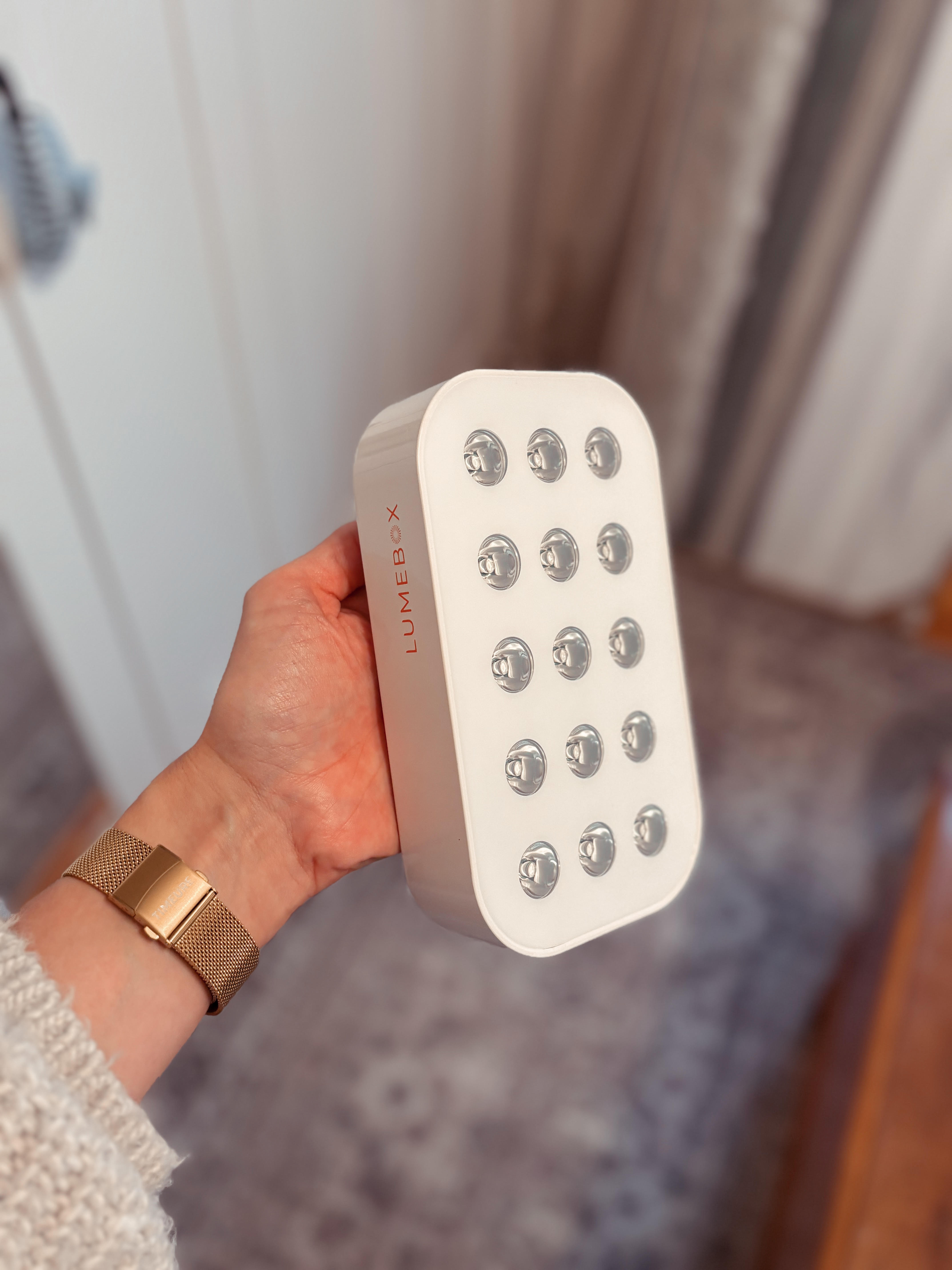
One of the reasons the Lumebox red light therapy device stands out is its thoughtful design and user-friendly features. The device is compact, lightweight, and easy to hold, making it ideal for targeted treatments. Unlike larger systems, Lumebox can be used almost anywhere, allowing users to enjoy red light therapy at home or while traveling.
Another key feature is the device’s ability to deliver both red light and near-infrared wavelengths, which work together to support skin health and deeper tissue recovery. The focused light output helps ensure that the therapy reaches the intended treatment area efficiently. These features make Lumebox red light therapy an appealing option for people who want a powerful yet convenient wellness device.
Benefits of Lumebox for Skin, Pain Relief, and Recovery
The benefits of Lumebox red light therapy extend across several areas of wellness. Many users turn to Lumebox to help improve skin tone, reduce the appearance of fine lines, and support collagen production. The red light wavelengths stimulate skin cells and promote a healthier, more radiant appearance over time.
Lumebox is also commonly used to support pain relief and muscle recovery. The near-infrared light penetrates deeper into the tissues and may help reduce inflammation and improve circulation. This makes it helpful for sore muscles, joint discomfort, and post-workout recovery. Because the device is portable and easy to use, many people find that Lumebox red light therapy fits naturally into their daily routine for both skincare and physical recovery.
What Is Hooga Red Light Therapy?
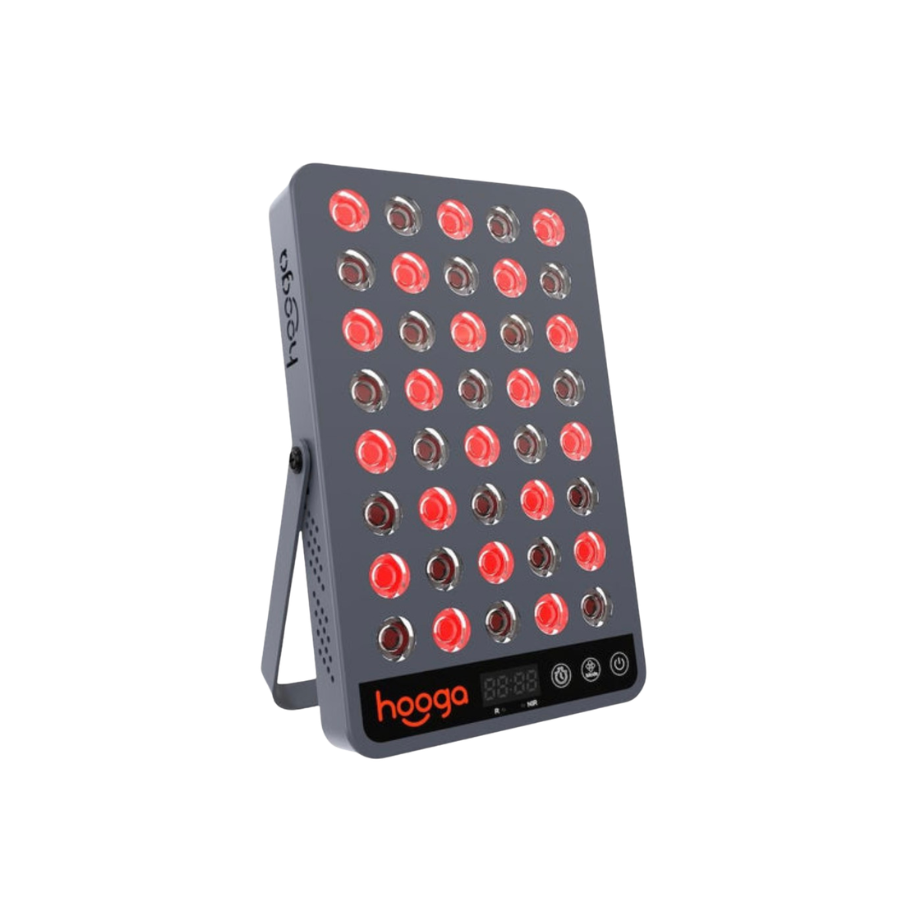
Hooga red light therapy refers to a range of devices designed to deliver red light and near-infrared light therapy for skin health, recovery, and overall wellness. The brand is known for producing both larger panels and smaller portable devices that allow users to experience red light therapy at home. These devices emit specific wavelengths of light that penetrate the skin and interact with cells to support natural repair processes.
Many people exploring Lumebox vs Hooga are interested in how these devices compare in terms of performance and convenience. Hooga products can provide effective light therapy, especially for general use. However, the design tends to be more straightforward and less specialized for targeted treatments. For users who want a simple introduction to red light therapy devices, Hooga can still offer useful benefits when used consistently.
Key Features of Hooga Panels and Devices
One of the main features of Hooga red light therapy devices is their simple, functional design. Hooga offers both portable handheld lights and larger panels, allowing users to choose a device based on their treatment preferences. The portable models provide localized light therapy, while the panels are designed to expose larger areas of the body.
Most Hooga devices include red light and near-infrared wavelengths, which are commonly used in light therapy treatments. The brand also focuses on affordability compared to some premium devices. While Hooga offers a solid entry point into red light therapy at home, the design may feel more basic compared to newer devices that emphasize portability and targeted treatment convenience.
Benefits of Hooga Red Light Therapy
The primary benefits of Hooga red light therapy come from the ability of red and near-infrared wavelengths to support the body’s natural repair processes. Many users report improvements in skin health, muscle recovery, and reduced inflammation after consistent use. These benefits make red light therapy an appealing wellness tool for people looking to support their overall health.
Hooga devices can also be helpful for people who want a home red light therapy solution without investing in more expensive professional systems. Regular use may support circulation, reduce muscle soreness, and improve the appearance of skin over time. However, when comparing Lumebox vs Hooga, some users prefer devices designed for more targeted treatments and everyday convenience.
Lumebox vs Hooga: Power, Wavelengths, and Technology
When evaluating Lumebox vs Hooga, one of the most important factors is how effectively each device delivers red light therapy and near-infrared light therapy. While both devices use the same core wavelengths, the real difference comes down to irradiance strength, testing standards, and overall device engineering. These elements determine how deeply the light penetrates and how effective treatments can be over time.
The Lumebox red light therapy device is designed with higher power output and stronger quality control. This allows the device to deliver both surface-level and deeper tissue benefits in a compact, portable format. Hooga’s portable device offers the same basic wavelengths but with lower irradiance and less transparent testing standards. For users comparing Lumebox vs Hooga portable red light therapy devices, Lumebox often stands out because it combines higher power, stronger safety testing, and a more refined user experience.
Red Light and Near-Infrared Wavelength Comparison
Both Lumebox and Hooga portable devices use the commonly researched wavelengths of 660nm red light and 850nm near-infrared light. These wavelengths are widely used in red light therapy devices because they support cellular energy production, collagen stimulation, and inflammation reduction. Red light works primarily at the skin level, while near-infrared light penetrates deeper into muscles and joints.
Although the wavelengths are the same in the Lumebox vs Hooga comparison, the effectiveness of these wavelengths depends heavily on the strength of the light output. Lumebox is designed to deliver these wavelengths at higher measured intensities. This allows the device to support both skin rejuvenation and deeper tissue recovery. Hooga’s device still emits the same wavelengths, but the lower output means treatments may be more limited to surface-level benefits.
Treatment Power (Irradiance) and Coverage Area
One of the most noticeable differences in the Lumebox vs Hooga comparison is irradiance, which measures how much light energy actually reaches the skin. Lumebox delivers approximately 125 mW/cm² for red light and 140 mW/cm² for near-infrared light, which is significantly stronger than many small portable devices. Higher irradiance helps ensure the light penetrates deeper and produces more effective therapeutic results.
The Hooga portable device lists an irradiance of around 90 mW/cm², with limited additional details provided. While this level can still provide basic red light therapy benefits, the lower output means treatments may focus more on surface-level effects. For users looking for a powerful portable red light therapy device, Lumebox’s stronger output makes it better suited for both skin health and deeper muscle or joint recovery.
Ease of Use and Portability
Portability and ease of use also play a major role when comparing Lumebox vs Hooga portable red light therapy devices. The Lumebox device is designed to be lightweight, ergonomic, and easy to position on targeted areas of the body. This makes it simple to treat areas such as the face, neck, joints, or sore muscles in just a few minutes per session. The compact design also makes Lumebox convenient for travel or quick daily use.
Hooga’s handheld device is still portable, but it tends to be bulkier and slightly heavier, which can make treatments feel less streamlined. This difference may not seem large at first, but it can affect how often people actually use the device. Many users prefer Lumebox because it feels more comfortable, more refined, and easier to incorporate into a consistent red light therapy routine.
EMF Exposure Levels
Another advantage in the Lumebox vs Hooga comparison is testing transparency and EMF safety. Lumebox reports low EMF exposure tested directly at the device, which goes beyond typical industry testing distances. Hooga lists low EMF as well, but the testing appears to follow more basic parameters measured farther away from the device. For people focused on device quality and safety standards, Lumebox provides an additional level of confidence.
Lumebox vs Hooga: Design, Size, and Portability
When comparing Lumebox vs Hooga, design, size, and portability are major factors that influence daily usability. While both brands offer portable devices, the Lumebox red light therapy device is engineered for compactness, ease of use, and targeted treatments, making it ideal for home use or travel. Hooga’s devices, even the smaller portable version, tend to be bulkier and less ergonomic, which can affect convenience and treatment consistency.
Choosing a device that fits seamlessly into your routine is essential for long-term results. In the Lumebox vs Hooga comparison, Lumebox clearly emphasizes user-friendly design, portability, and thoughtful ergonomics, giving it a practical advantage for consistent red light therapy sessions.
Lumebox Compact Design Advantages
The Lumebox red light therapy device stands out for its compact and lightweight design, which allows users to target specific areas like the face, neck, joints, and sore muscles with precision. Its ergonomic handheld shape makes it easy to hold for the duration of each treatment, and its portability ensures you can use it anywhere—at home, in the office, or while traveling.
Because of its focused design, Lumebox delivers high-intensity red and near-infrared light efficiently. This makes treatments quicker, more effective, and more comfortable compared to devices that require awkward positioning. Many users in the Lumebox vs Hooga debate appreciate that Lumebox is built for convenience without sacrificing power or performance.
Hooga Panel Setup and Space Requirements
Even Hooga’s smaller portable devices are slightly bulkier than Lumebox, which can make treatments feel less streamlined. Larger Hooga panels require dedicated space for setup and operation, and even the portable options are not as easy to maneuver for targeted treatments. Users may need to adjust angles, hold the device in position, or create a stable setup to maximize light exposure.
While Hooga provides effective red light therapy for general areas, the extra space and setup requirements can make it less convenient for daily use. This is an important consideration for anyone seeking a compact, easy-to-use red light therapy device for home or travel.
Which Device Is Better for Home Use?
For most home users, the Lumebox red light therapy device is the superior choice. Its compact size, ergonomic design, and portability make it simple to incorporate into daily wellness routines. The combination of high irradiance, targeted light delivery, and ease of use ensures users get effective results without complicated setup or excessive space requirements.
While Hooga devices still provide benefits and are a solid option for broader coverage, Lumebox is designed for convenience, efficiency, and consistent results, making it ideal for home use. If you are deciding between Lumebox vs Hooga portable red light therapy devices, Lumebox often comes out ahead for users who value practicality, precision, and travel-friendly design.

Lumebox vs Hooga: Price and Overall Value
When comparing Lumebox vs Hooga, the upfront price isn’t the only factor to consider. Lumebox retails for $629, but with my exclusive discount code, you can get it for just $369, making it a premium device far more accessible. Hooga’s smallest portable device costs around $206, which is cheaper, but the lower quality means you may not get the full benefits of red light therapy.
Lumebox delivers higher irradiance, dual wavelengths (660nm red light and 850nm near-infrared), targeted therapy, and durable design, ensuring effective results for both skin and deeper tissue treatments. Hooga’s smaller device may provide basic red light exposure, but its lower power and less ergonomic design can limit results. When you factor in efficiency, longevity, and actual therapeutic benefits, Lumebox offers far better value over time. Investing in Lumebox means getting the full potential of red light therapy rather than paying for a device that underperforms.
Pros and Cons of Lumebox vs Hooga
When comparing Lumebox vs Hooga, understanding the strengths and weaknesses of each device helps readers choose the best portable red light therapy device for their needs. While both offer red light and near-infrared therapy, the performance, design, and overall user experience differ significantly. Lumebox stands out for higher power, targeted therapy, and long-term value, while Hooga offers a more budget-friendly entry into home red light therapy.
Lumebox Pros and Cons
✅ Pros:
- High irradiance: 125 mW/cm² (Red) and 140 mW/cm² (NIR) for both surface and deep tissue benefits.
- Targeted therapy: Compact and ergonomic for precise treatments on the face, joints, and sore muscles.
- Low EMF: Tested beyond typical safety standards.
- Durable and portable: Lightweight, easy to hold, and convenient for home or travel.
- Third-party testing: Ensures safety and consistent performance.
🔴 Cons:
- Higher upfront price: $629 retail, though my exclusive discount code brings it down to $369.
- Smaller coverage area: Best for targeted therapy rather than treating large body sections at once.
Overall, the pros of Lumebox far outweigh the cons, especially for users focused on effective, long-lasting red light therapy at home. Its high power and convenience make it a top choice for both skin and deeper tissue benefits.
Hooga Pros and Cons
✅ Pros:
- Lower cost: Around $200 for the portable device.
- Basic red light therapy: Provides both red and near-infrared wavelengths for general benefits.
🔴 Cons:
- Lower irradiance: 90 mW/cm², limiting deeper tissue penetration and full therapeutic effect.
- Bulkier design: Less ergonomic and portable compared to Lumebox.
- Limited testing transparency: EMF testing and third-party validation are unclear.
- Reduced long-term value: May require longer sessions or multiple devices to achieve results comparable to Lumebox.
While Hooga is more affordable, its lower performance and less precise design make it less effective for users seeking consistent red light therapy results. For people who want maximum benefit and long-term value, Lumebox is the preferred choice in the Lumebox vs Hooga comparison.
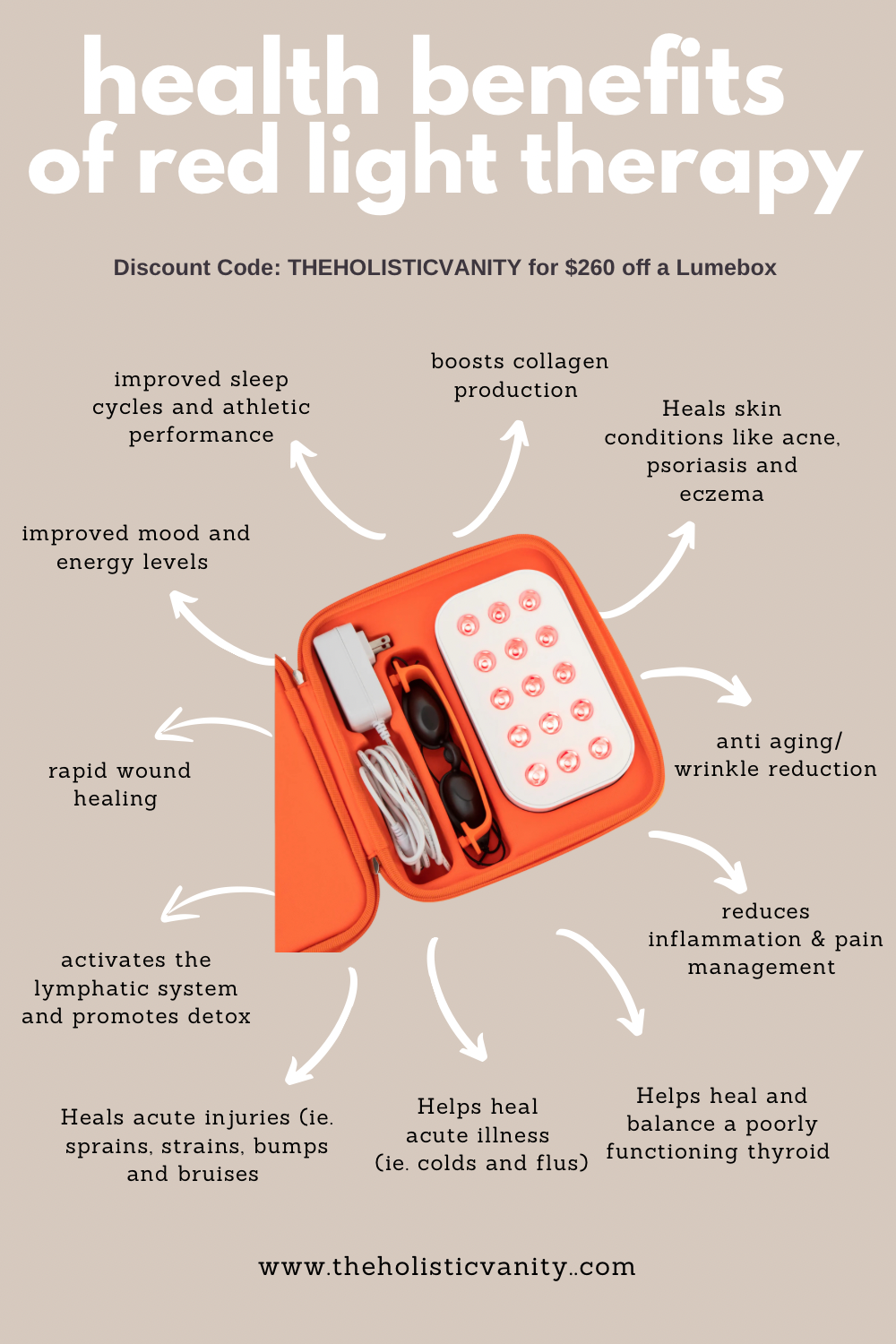
My Top Choice: The Lumebox 2.0 + it’s Benefits
When it comes to portable red light therapy devices, one product truly stands out: the Lumebox.
After exploring multiple options on the market, including devices like Hooga, I decided to bring Lumebox into my home for a variety of reasons. Most importantly, I prioritize safety and effectiveness when selecting a red light therapy device. I want to know that it’s safe to use and that it actually delivers real results—and Lumebox meets both of these standards.
FDA Registration as Class II Medical Device
While all FDA-registered red light therapy devices meet basic safety requirements to be sold in the U.S., not every device can deliver the therapeutic benefits it promises. What sets Lumebox apart is that it’s FDA-registered and holds 510(k) clearance, classifying it as a true medical device. This means clinical testing and research back its ability to support skin, muscle, and joint health effectively.
Designed by an MD for her own Family
Lumebox also has a unique origin story that reflects its mission. Created by an MD looking for a solution for her father, who suffered from severe piriformis syndrome, she could not find a device strong enough to deliver meaningful results. So she developed the Lumebox herself. I’ve seen time and again that some of the best wellness products come from people designing solutions for their own loved ones or themselves, ensuring the product is both effective and trustworthy.
The Best At Home Options for Red Light Therapy Sessions
Despite its portable handheld design, Lumebox is larger and more powerful than many competing devices—and with my exclusive discount code, it’s available at a much more accessible price point. Red light therapy used to be an expensive luxury only available at clinics or spas, with each session costing upwards of $200. Now, at-home devices like Lumebox bring this therapy into your daily routine, but quality varies widely. Lumebox stands out with high standards, powerful output, and proven safety.
Benefits of the Lumebox
Here’s why Lumebox is one of the best portable red light therapy devices available:
- Designed by a medical doctor
- Registered as a Class II medical device with the FDA
- Lab-tested by third parties for high irradiance and safety
- Simultaneously delivers red (660nm) and near-infrared (850nm) light for maximum therapeutic effect
- Contains no UV rays that could damage skin
- 58% higher red light irradiance than comparable portable devices
- 80% higher near-infrared irradiance
- Low EMF for safe home use
- Larger treatment area—about 25% bigger than most handheld devices
- Portable design so you can use it anywhere
For anyone seeking a safe, effective, and portable red light therapy device, Lumebox combines medical-grade quality, powerful results, and everyday usability, making it a top choice for home wellness.
Where to Buy Lumebox + Current Lumebox Discount Code
Lumebox has generously offered an exclusive discount for my readers. You can Shop Lumebox HERE, and the savings should automatically apply at checkout. If the discount does not appear in your cart, simply enter my code manually during checkout: THEHOLISTICVANITY.
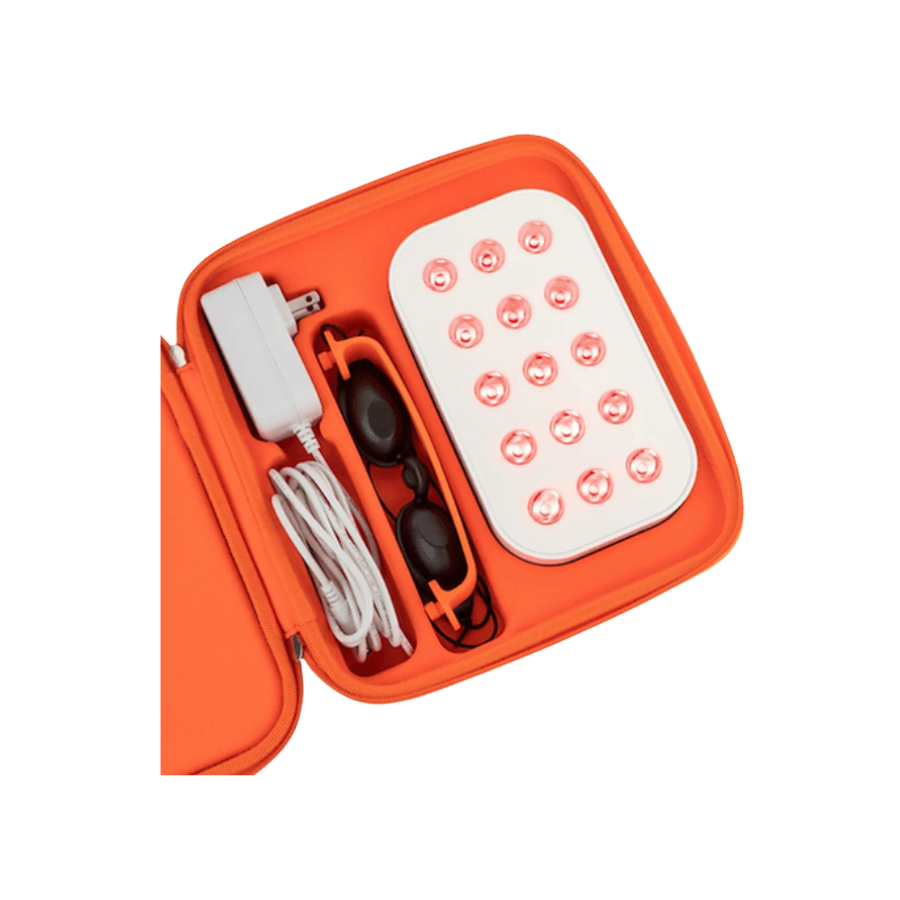
What’s Included with the Lumebox Device
Each Lumebox purchase comes with everything needed to start using red light therapy at home:
- Handheld Lumebox red light therapy device
- Protective travel case
- Rechargeable battery
- Removable comfort-grip attachment
- A/C power adapter
- User manual
- Protective eyewear
HSA and FSA Eligibility
Another helpful advantage is that Lumebox qualifies for HSA (Health Savings Account) and FSA (Flexible Spending Account) payments. If you plan to use HSA or FSA funds, apply my discount code first. Then follow the payment prompts at checkout and select the HSA/FSA option. Checking out as a guest typically allows the system to guide you through the process quickly.
Final Thoughts
I hope this comparison helped you better understand what to look for when choosing a red light therapy device. Investing in wellness technology should always involve careful consideration of safety, power, and proven performance. After personally using Lumebox for over a year, it continues to be the device I rely on most in my routine. Based on my experience and research, it remains one of the most effective and well-designed portable red light therapy devices available today.
A Few more Articles you may Enjoy:
- How to use Lumebox Red Light Therapy Device: A Step by Step Tutorial and FAQ’s
- Lumebox vs. Bon Charge: Comparing Red Light Devices (+ discount code)
- 16 Health Benefits of Red Light Therapy
- Active Skin Repair Spray Review (2026): Ingredients, Benefits and Real Results
** PIN the image below to save this post for later **
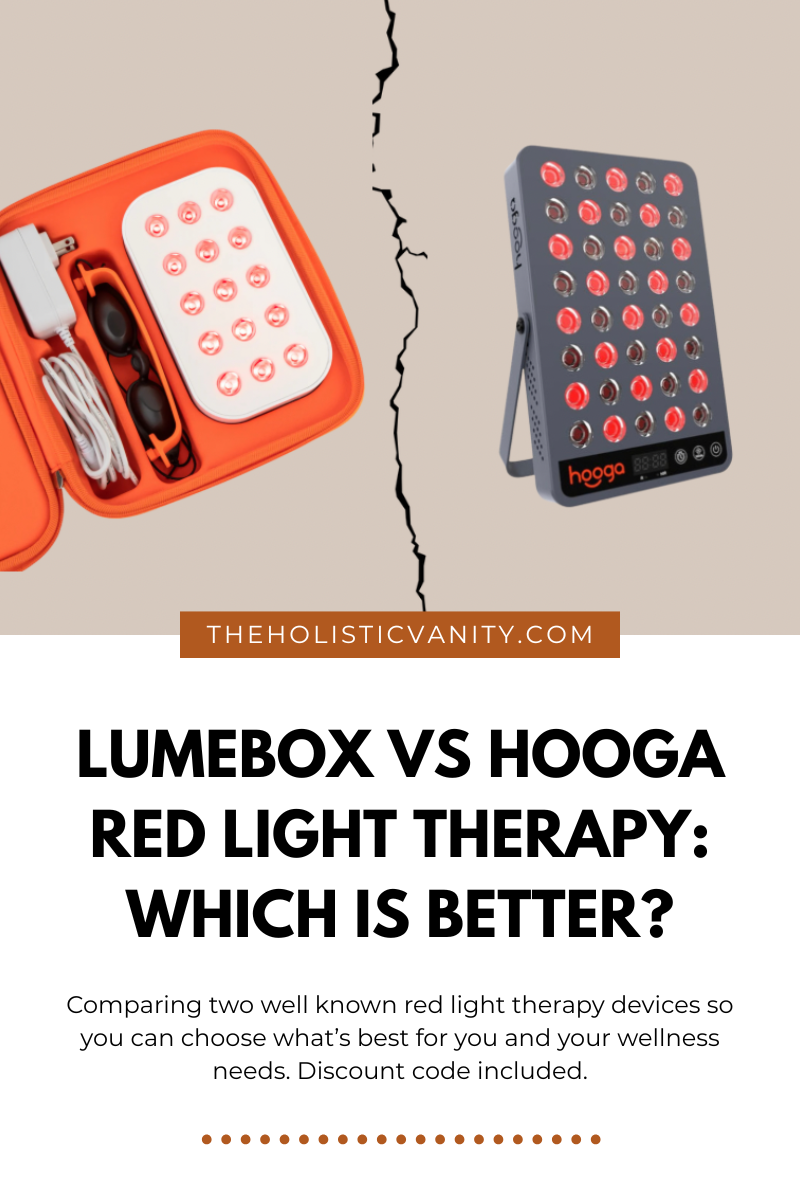
Frequently Asked Questions About Lumebox vs Hooga
When comparing Lumebox vs Hooga, many shoppers want quick answers about power, performance, and whether a portable device can truly replace larger systems. Both brands offer red light therapy devices, but their design, strength, and overall effectiveness can vary. Below are some of the most common questions people ask when deciding between Lumebox and Hooga red light therapy devices.
Is Lumebox more powerful than Hooga?
Yes, the Lumebox red light therapy device is significantly more powerful than Hooga’s portable handheld device. Lumebox delivers approximately 125 mW/cm² of red light and 140 mW/cm² of near-infrared light, while the smaller Hooga device is listed at around 90 mW/cm². Higher irradiance allows the light to penetrate deeper into tissues and provide more effective therapy.
This difference means Lumebox can support both surface-level skin benefits and deeper muscle or joint recovery. Hooga’s lower output may still provide some red light therapy exposure, but the therapeutic effect is typically more limited. For users prioritizing maximum effectiveness from a portable red light therapy device, Lumebox clearly offers stronger performance.
Is Lumebox worth it compared to Hooga?
For many users, Lumebox is worth the investment compared to Hooga because of its higher quality design and stronger therapeutic output. While Hooga’s portable device costs less upfront, the lower irradiance and bulkier design can limit results and convenience. Lumebox combines powerful wavelengths, low EMF testing, third-party validation, and a portable ergonomic design in a single device.
Another important factor is overall value. Lumebox normally retails for $629, but with the available discount code it drops to $369, making it much more competitive. When you consider the higher power, stronger safety standards, and better long-term results, Lumebox often provides the better return for people who want a reliable at-home red light therapy device.
Which red light therapy device is better for home use?
For most people, the Lumebox red light therapy device is the better option for home use. Its compact design, strong light output, and simple operation make it easy to incorporate into a daily wellness routine. The device is lightweight and portable, so you can treat specific areas like the face, joints, or sore muscles without complicated setup.
Hooga devices can still provide benefits, especially larger panels designed for broader coverage. However, they often require more space and positioning. Many users comparing Lumebox vs Hooga prefer Lumebox because it offers high performance in a portable format, making consistent treatments easier at home.
Can Lumebox replace larger red light panels?
In many situations, Lumebox can serve as an effective alternative to larger red light therapy panels, especially for people who want flexibility and targeted treatments. The device delivers high irradiance with both 660nm red light and 850nm near-infrared light, which allows it to support skin health, muscle recovery, and inflammation relief. Because of this strength, Lumebox performs very well for focused treatments on specific areas like the face, joints, or sore muscles.
Another advantage is that Lumebox can be placed on a stand, allowing the light to shine toward the body without needing to hold the device. This setup makes it possible to treat larger sections of the body at once, similar to how someone might use a red light panel. While it may not cover the entire body in one session like a very large panel, positioning Lumebox on a stand still allows users to gain broader exposure and more full-body wellness benefits over time.





No Comments