

Our Place Cookware has become a popular non-toxic cookware brand all over social media and inside people’s kitchens. In particular, the Always Pan, that claims to be a ceramic and non-toxic alternative to traditional non stick cookware that leaches forever chemicals into our foods. There is a growing concern brewing these days over the danger and toxicity of non-stick coatings. Many are opting for safer options in their kitchens as education on non-toxic cookware has become more available. If you’ve been wondering, “Is our Place Non-stick cookware Non-toxic?”, you’re not alone. Many are hoping to find a non-stick option that won’t harm their health. Let’s dig into the details to see if Our Place could be the option everyone has been hoping for.
* This post may include affiliate links. This means that products purchased from certain links will generate a small commission (At no extra cost to you). As always, I will only recommend brands that have passed my seal of approval and that I truly love. Thank you for supporting this little holistic space on the internet. All opinions are my own. *
* Information in this post is not professional medical advice and should not be relied on or used in place of consultation with healthcare professionals. Should you have any medical questions, please consult your primary healthcare provider. **
What is Our Place Cookware?
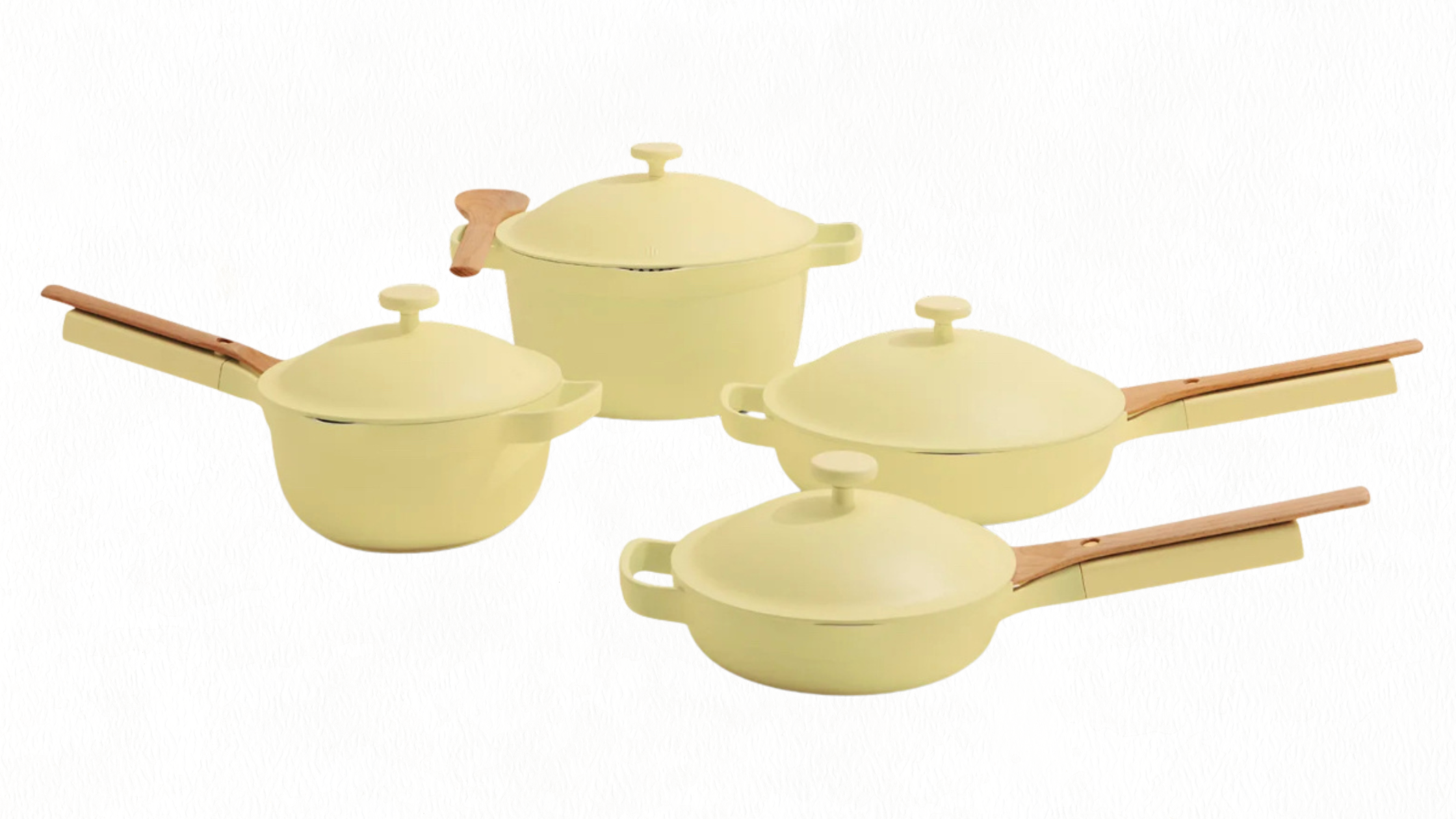
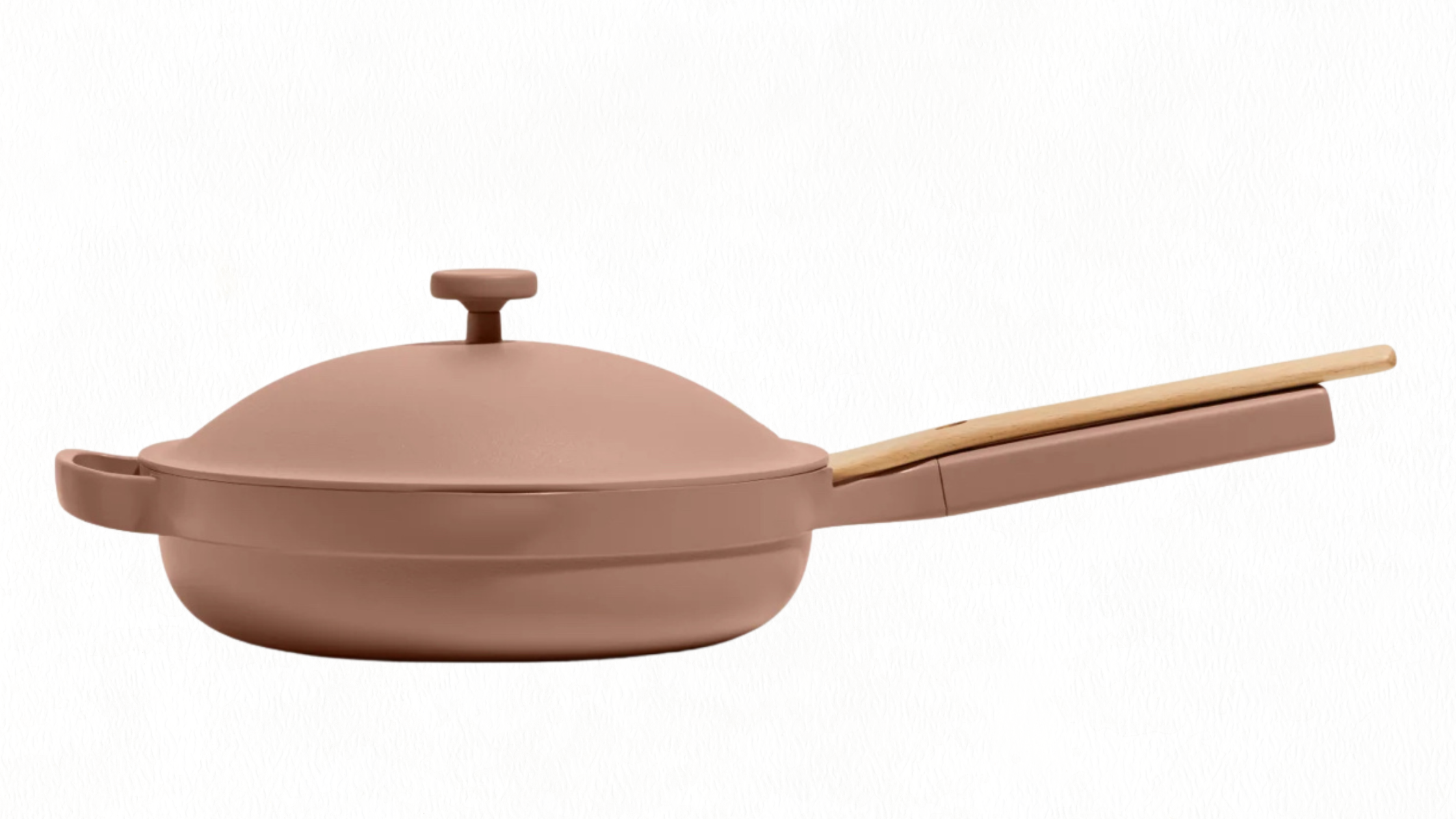
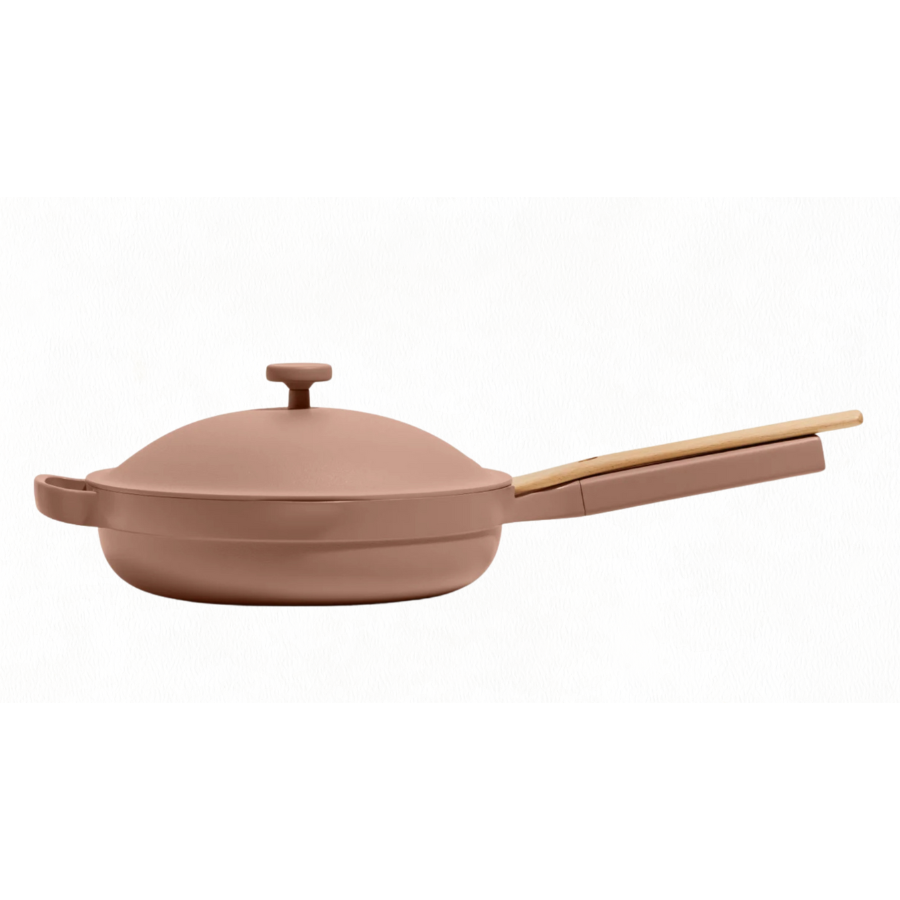
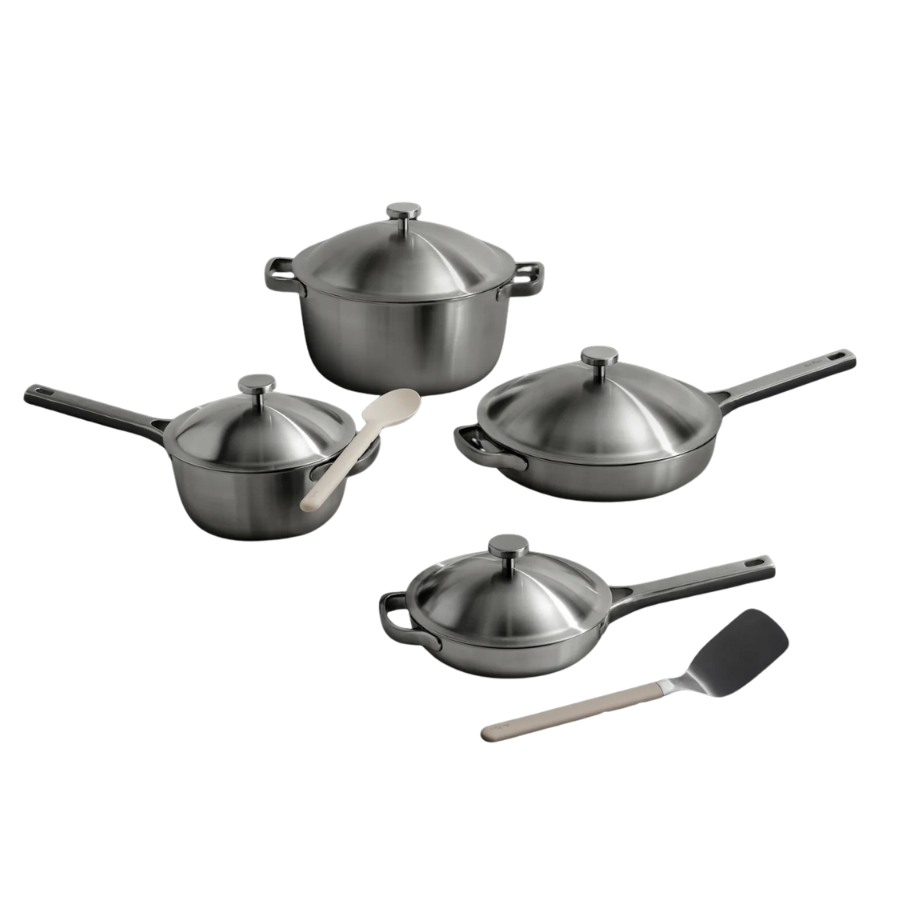
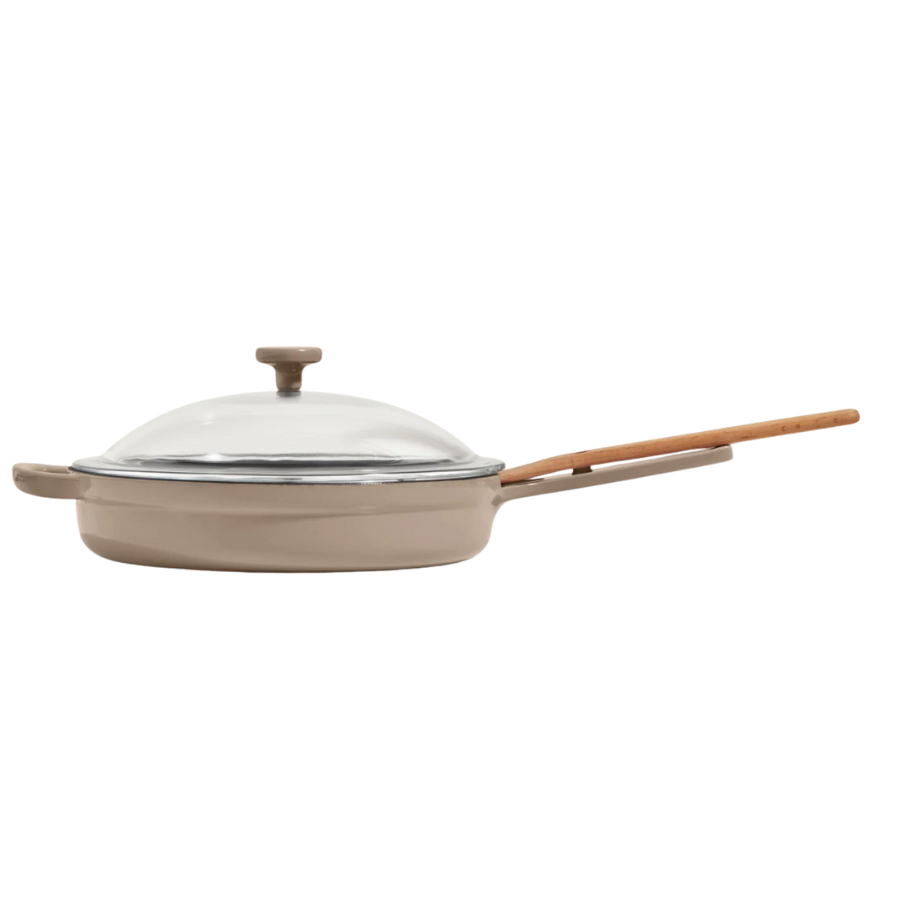
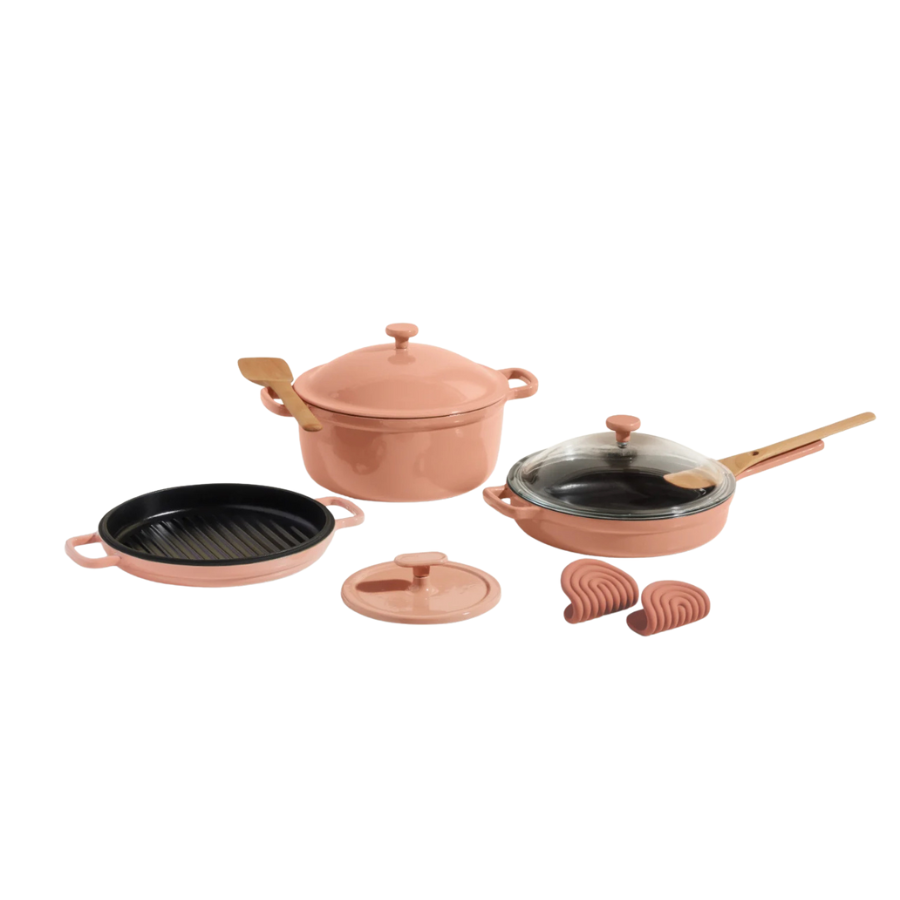
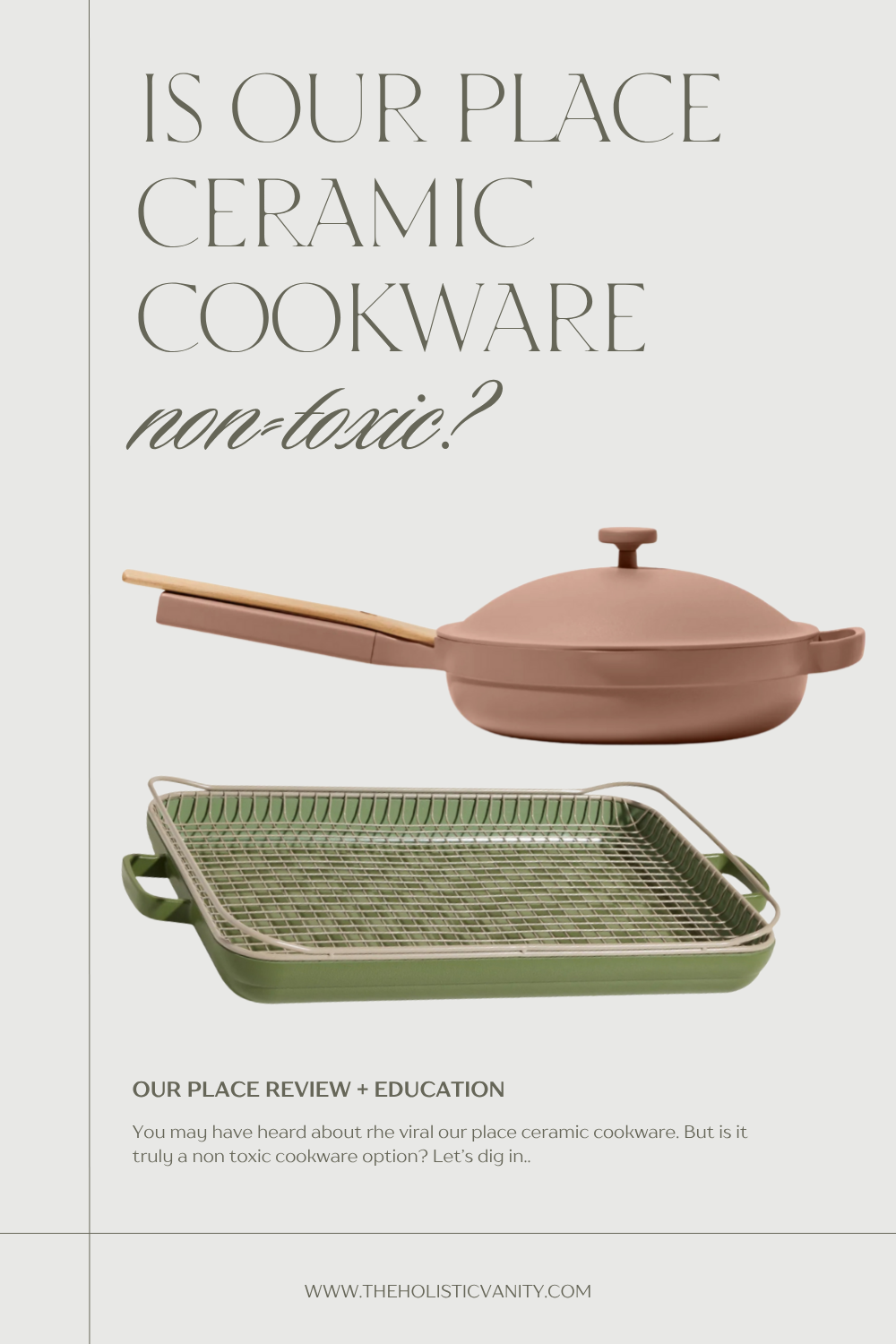
If you’ve spent any time on Instagram or TikTok, chances are you’ve come across the sleek, colorful design of the Our Place Always Pan. This popular piece of cookware has become a favorite among home cooks and influencers alike, thanks to its all-in-one functionality, minimalist aesthetic, and the brand’s promise of healthier cooking.
Our Place is a direct-to-consumer cookware brand that markets itself as ethically made, environmentally conscious, and health-forward. Its flagship product, the Always Pan, claims to replace multiple kitchen items in one — including a frying pan, sauté pan, steamer, skillet, saucier, and more.
When it comes to materials, Our Place cookware is made with an aluminum base for even heat distribution and a ceramic non-stick coating — which the company says is free from toxic chemicals like PFOA, PTFE (commonly known as Teflon), lead, and cadmium.
This emphasis on a non-toxic, easy-to-clean surface is a big part of the brand’s appeal. But what does “non-toxic” really mean in the world of non-stick cookware? And how does Our Place compare to other “clean” cookware brands?
What Does ‘Non-Toxic’ Really Mean in Cookware?
The term “non-toxic cookware” gets thrown around a lot — but what does it actually mean?
In simple terms, non-toxic cookware refers to pots and pans made without harmful chemicals that could leach into your food or release dangerous fumes during cooking. These chemicals are commonly found in older or lower-quality non-stick coatings, and they’ve raised health and environmental concerns over the years.
Here are a few of the most talked-about substances you’ll often see flagged:
- PFOA (Perfluorooctanoic Acid): Once widely used in Teflon production, PFOA has been linked to health issues and was phased out in the U.S. around 2015.
- PTFE (Polytetrafluoroethylene): This is the main component of traditional Teflon. While it’s considered stable at low temps, it can break down and release toxic fumes when overheated (above ~500°F / 260°C).
- PFAS (Per- and Polyfluoroalkyl Substances): A larger class of “forever chemicals” — PFOA and PTFE are both PFAS compounds. These can persist in the environment and the body.
- Lead and Cadmium: Heavy metals that were historically used in cookware glazes or paints and are known toxins.
So when cookware brands — like Our Place — say their products are “non-toxic,” they typically mean they are free from PFOA, PTFE, PFAS, lead, and cadmium.
In the case of Our Place, their non-stick coating is made from a ceramic-based material, which is generally considered a safer alternative to traditional Teflon-style coatings. Unlike PTFE-based surfaces, ceramic coatings don’t off-gas toxic fumes at high temperatures and are made without synthetic chemical additives.
However, it’s important to note that “non-toxic” isn’t a regulated term in the cookware industry — so it’s still a good idea to look closely at what materials are used and how the cookware should be handled for safe, long-term use.
Is Our Place Non Stick Cookware Non Toxic?
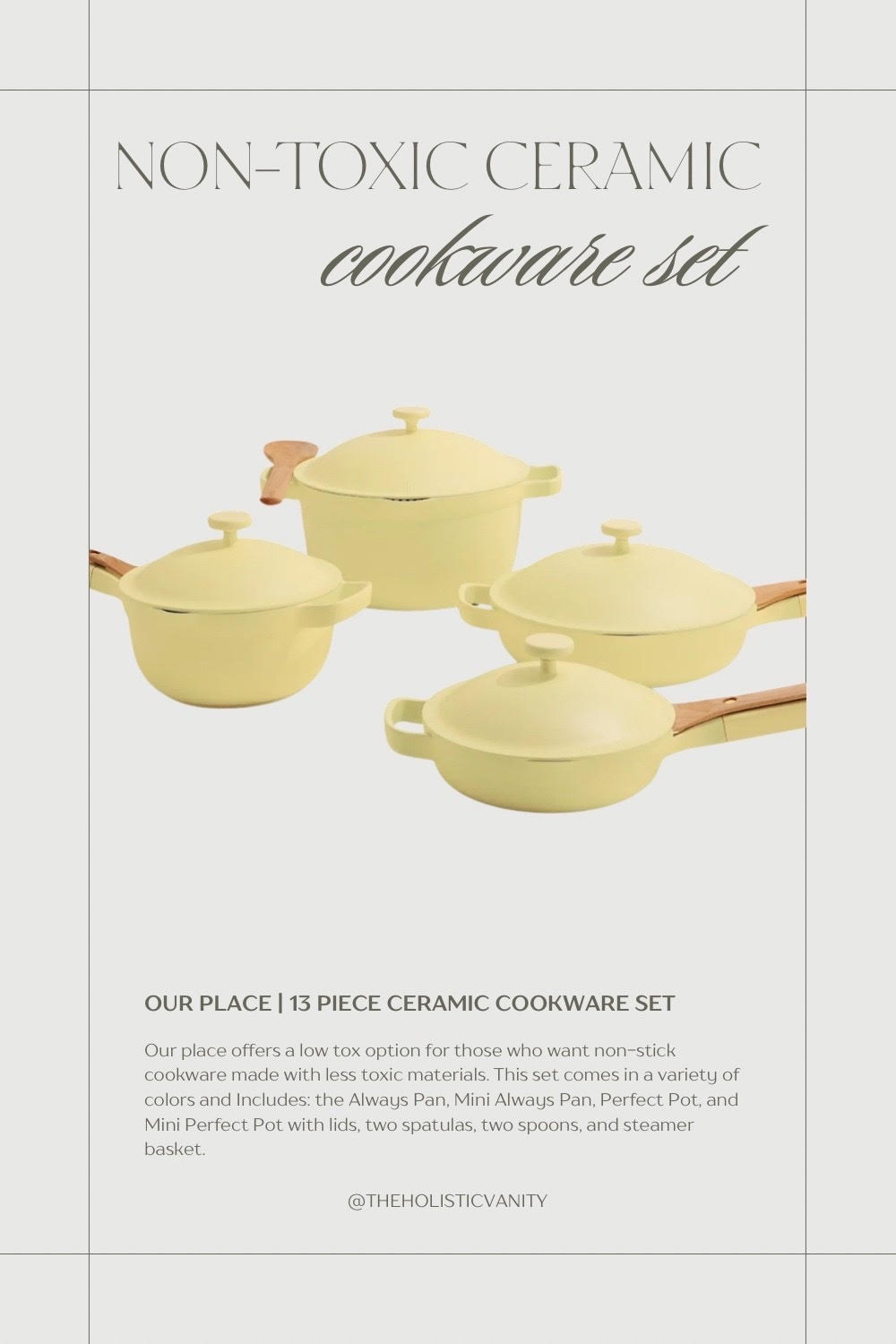
This is the big question: Is Our Place non stick cookware non toxic? According to the brand, the answer is yes — and here’s why.
Our Place uses a ceramic non-stick coating, not traditional Teflon (PTFE), which has historically raised concerns due to its potential to release toxic fumes at high temperatures. The company states that its cookware is free from PTFE, PFOA, PFAS, lead, and cadmium — all chemicals commonly flagged in toxic cookware discussions.
Instead, the Always Pan and other Our Place products use a sol-gel ceramic coating derived from sand. This coating is one of the safest options on the market. It doesn’t contain synthetic chemicals that can leach into food or degrade into harmful byproducts. It also performs well at typical home cooking temperatures and doesn’t off-gas dangerous fumes. This is the case even if you accidentally overheat it. The same cannot be said for every type of coating.
But, is it Truly Non-toxic? While Our Place’s materials meet the current definition of “non-toxic” cookware, it’s important to approach all non-stick cookware with realistic expectations:
-
All non-stick coatings wear down over time. Even ceramic ones can degrade, especially with frequent high-heat cooking or if metal utensils are used.
-
“Non-toxic” doesn’t mean maintenance-free. To keep the surface safe and intact, Our Place recommends avoiding cooking sprays, high heat, and dishwashers.
-
No cookware is 100% risk-free with improper use — even safe materials can break down under extreme conditions.
In short, yes — Our Place non stick cookware is considered non toxic based on the materials it uses and the standards it meets. Our Place either meets or exceeds the same safety standards as other premium non-toxic brands. However, no coating lasts forever, and durability varies. That’s where proper care and realistic expectations come in.







No Comments